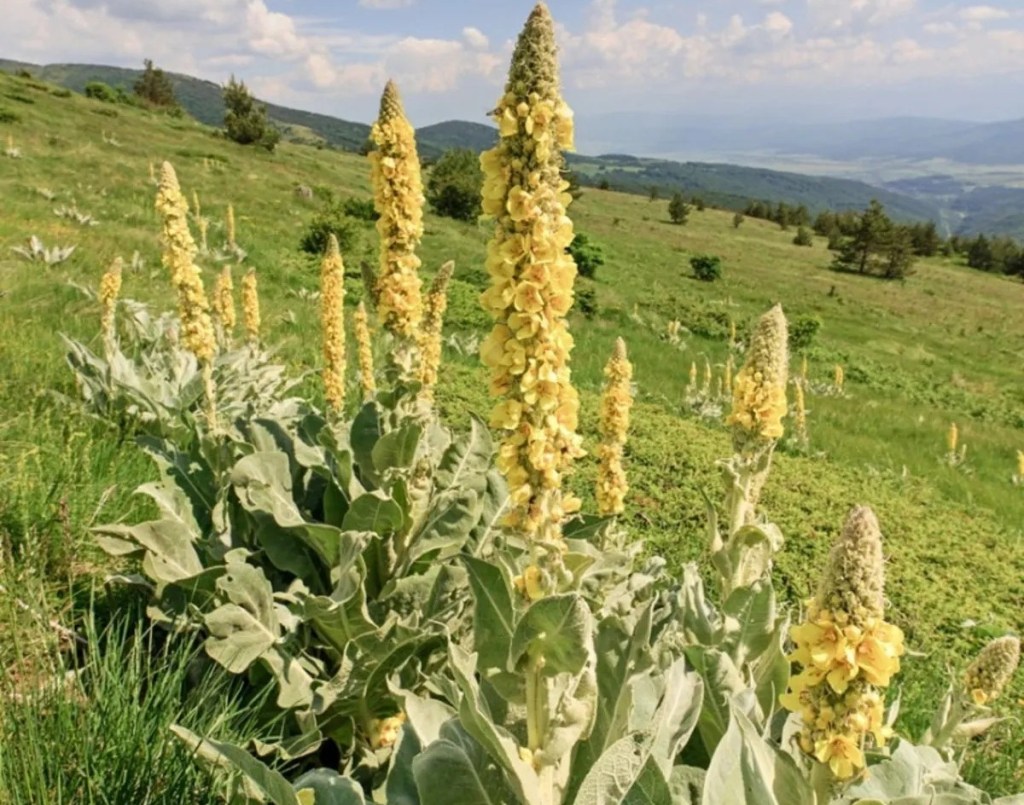
(Verbascum thapsus)
If you’ve ever walked past a mullein plant, you probably noticed it. Tall, stately, and covered in soft, velvety leaves, it has a way of standing out even in a crowded field. Mullein has been a steady companion in my own herbal journey, and it’s one of the best sellers in my apothecary. I think that’s because people instinctively recognize its gentle strength. This isn’t a flashy herb. It’s simple, reliable, and deeply rooted in tradition. When I chose to begin my Herbal Spotlight series, mullein was the obvious first choice.
📜History & Tradition
Mullein has been valued for centuries in folk medicine and daily life. In old times, its tall stalks were dipped in wax or tallow and burned as torches, earning it the name “torch plant.” Its soft leaves have been used in poultices, teas, and even as makeshift insulation in shoes and clothing. Across cultures, mullein has long been a trusted ally for the lungs and the breath. It’s a plant people turned to when the air felt heavy or the body weary. Even in folklore, it was sometimes carried for protection, a quiet reminder of the strength found in the simplest of plants.
🌬️Modern Uses & Benefits
Today, mullein is best known as a gentle but reliable friend to the respiratory system. Its soft leaves hold compounds that soothe irritation and help ease coughs, especially those dry, persistent ones that seem to linger.
Many people turn to mullein during seasonal changes, when the air is cold or damp, or when lungs simply need a little extra comfort. What I appreciate most is how steady and non-aggressive it is.
Mullein doesn’t force the body into quick action the way some over-the-counter remedies do. Instead, it works with you slowly, consistently, and with a kind of quiet patience that feels like a deep breath after a long day.
🪴How I Work with Mullein
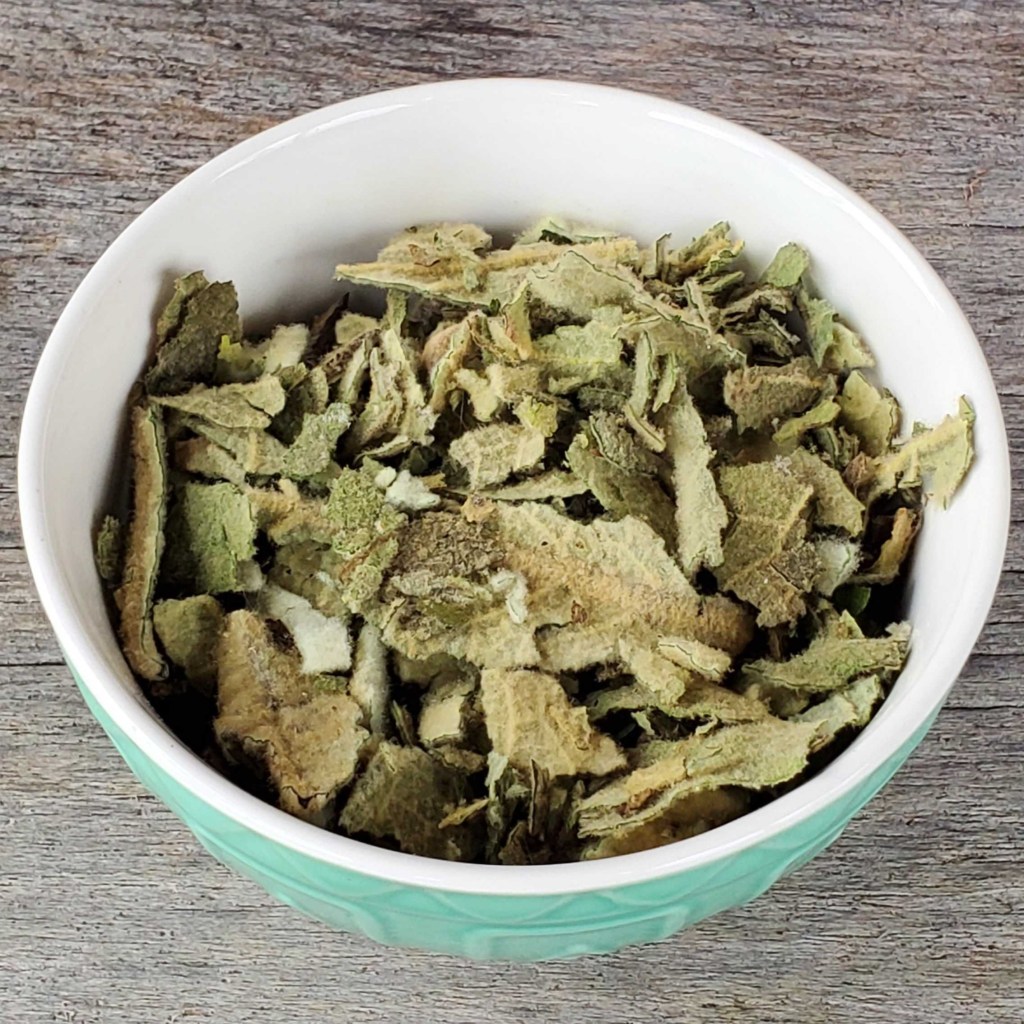
In my own apothecary, mullein has become a familiar presence. The leaves are soft and earthy, almost silvery in the light, and there’s a calmness that comes just from handling them. When I prepare tinctures, I pay close attention to the texture of the leaves – not too fine, not too coarse – so the extraction draws out that gentle strength.
Over the years, I’ve heard from so many customers who return again and again for mullein, often sharing how much it’s helped them breathe easier. That kind of feedback reminds me why I do what I do: it’s not about making something complicated or flashy, but about offering a steady ally that truly supports people in their daily lives.
🍵How to Use
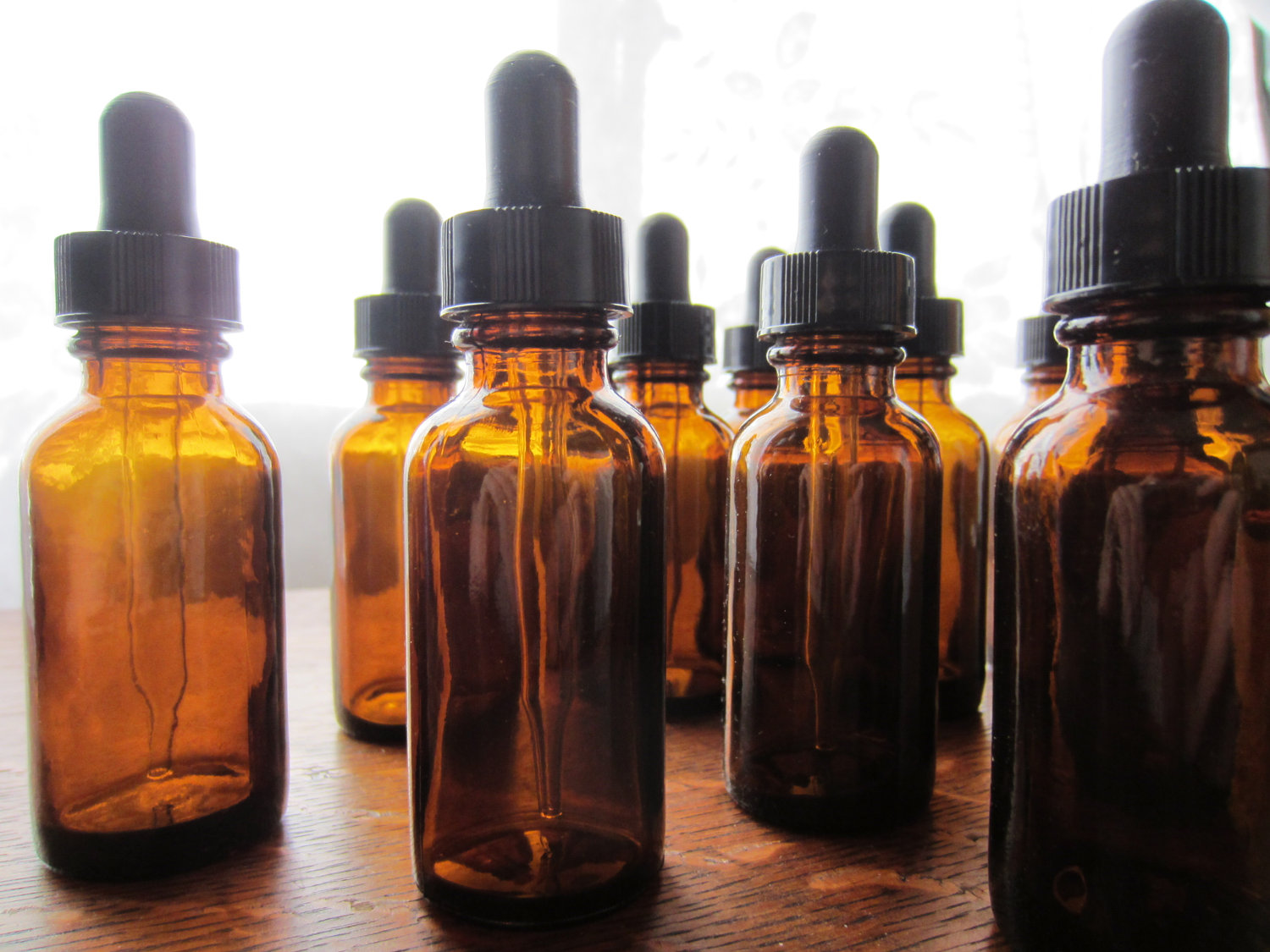
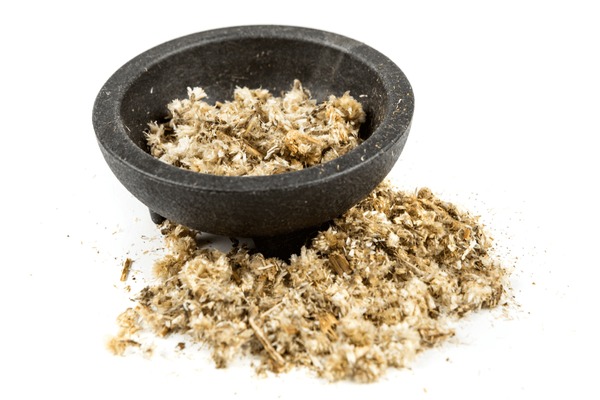
Mullein can be worked with in a few simple ways. The most common is as a tea, made from the dried leaves. A warm cup, especially with a touch of honey, is soothing when the lungs feel dry or irritated. Tinctures are another easy option, offering steady support in just a few drops each day. Some traditions even used mullein leaves in smoking blends to help open the lungs, though I prefer the gentler methods of tea or tincture for daily use.
No matter how it’s prepared, mullein has a way of meeting the body with kindness. It’s not a quick fix or a cure-all — just a plant offering steady support, the same way it has for centuries.
🌙 A Trusted Ally
Mullein has earned its place as one of my most trusted allies. It’s simple, dependable, and generous — the kind of plant that shows up quietly but makes a lasting difference. I think that’s why so many people are drawn to it, and why it continues to be one of the best sellers in my shop. For me, mullein is a reminder that healing doesn’t always come from something rare or exotic. Sometimes it’s the plants that grow tall and unassuming by the roadside that hold the deepest gifts.
If you’ve worked with mullein before, I’d love to hear your experience. And if it’s new to you, I hope this little spotlight gives you a sense of why it’s been cherished for so long.
 EarthWise Organics
Leave a comment