
The Overlap and the Question of Labels
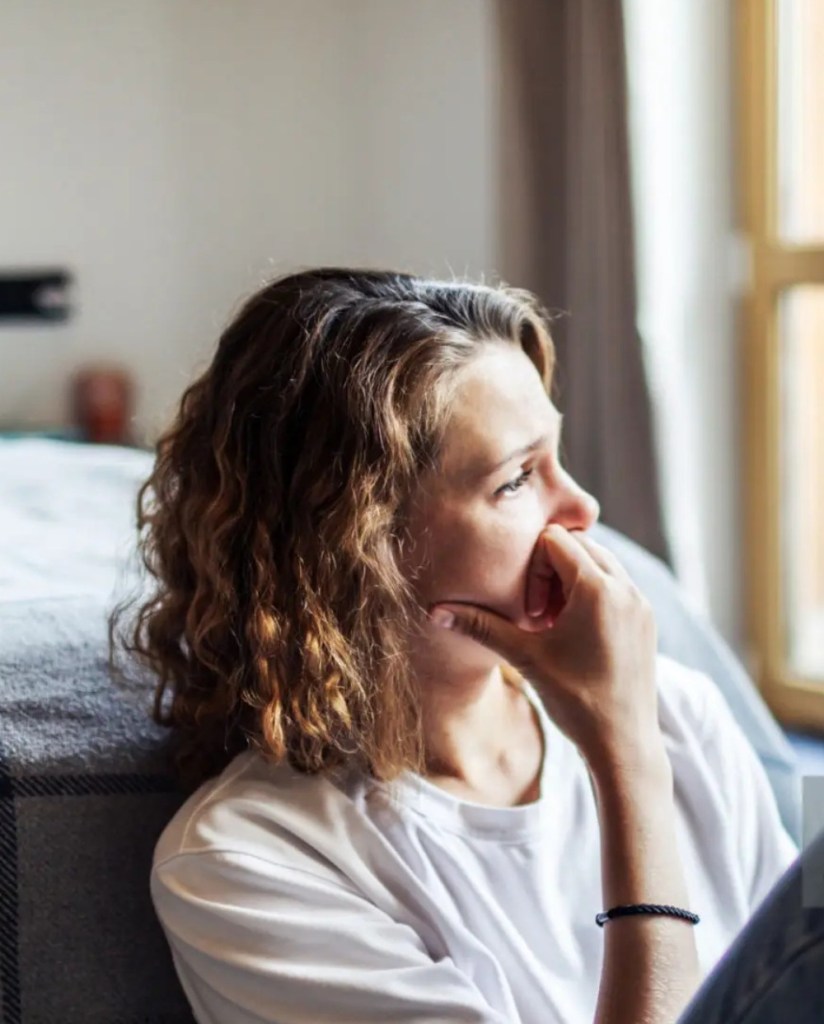
Anxiety is a problem for a lot of folks today. Let’s face it, there’s a lot to be anxious about.
But when anxiety results from a difference in brain function, like with Autism Spectrum Disorder, it can seem more challenging to deal with. This kind of anxiety isn’t necessarily the result of circumstance or problems during the day. It’s the result of how some brains process the world around us. It’s often a day to day companion.
My Experience
My own experience is just that. From my first memories I struggled to make sense of the world around me. Trying to understand the people and interactions around me caused a great deal of stress. Throw years of abuse into the mix, and you have someone who made coping a high priority. It’s what led me down the path of herbalism; I needed a coping strategy that was safe and effective.
While I learned through therapy to process the damage done to me in childhood, I realized there was no “perfect” version of myself to reach. It was never about finishing, like mending a broken bone. It was all about self love and supporting my feelings and needs.
Feelings at the Core

As I researched more about natural means to deal with anxiety, I saw an increasing number of references to something called CPTSD or complex PTSD. While PTSD is a familiar term and represents the effects of a traumatic event on brain function, complex PTSD refers to not a singe instance of trauma, but years or decades of it. Prolonged stress hormones have a real affect on brain structure and its processes, especially in developing kids. The result is a set of challenges very similar to those faced by folks with traits associated with autism spectrum disorder.
- Overwhelm (sensory or emotional)
- Anxiety (anticipatory or situational)
- Shutdowns / fatigue
- Difficulty with regulation (sleep, focus, mood)
These overlaps convinced me that whether the label is CPTSD, autism, or something else entirely, the heart of the matter is the same: our nervous systems need support. That realization is what led me to lean on herbs — not as a cure, but as steady companions.
Herbal Allies for Overlap
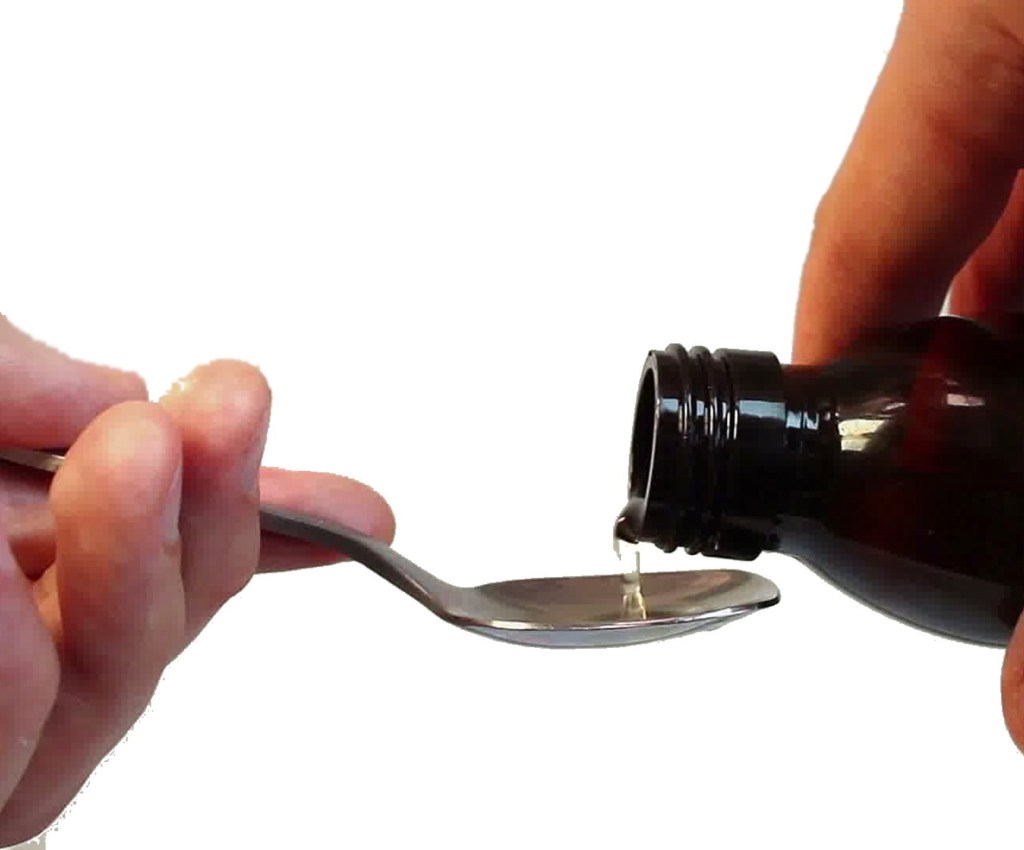
What I discovered is that herbs don’t worry about whether you call it autism, CPTSD, or anything else. They simply meet us where we are; anxious, overwhelmed, restless, or worn out, and offer quiet support. Whether taken as tea, tincture, or capsules, these plants take the edge off moments of struggle.
Here are a few that I’ve leaned on again and again:
For Calm & Grounding
- Chamomile may seem ordinary, but in the right dose it’s like a gentle hand on the shoulder, steadying you when the world feels too loud.
- Lemon balm is a bright, citrus-scented comfort. I often turn to it when my mind won’t stop racing — it has a way of bringing the body and thoughts back into the same rhythm.
- Skullcap is for those frayed-wire moments when the nervous system feels too raw. It helps quiet that inner buzzing and makes space for rest.
For Resilience & Balance
- Ashwagandha has been a steady ally when stress feels constant. It’s not about numbing feelings, but helping the body stand more firmly in the face of them.
- Tulsi (Holy Basil) carries a sense of clarity and uplift. It’s a herb that brings light back into cloudy days, balancing the emotional with the spiritual.
- Oat straw is nourishment for the nervous system itself. Over time, it builds resilience from the inside out, like patching thin places in the fabric of your well-being.
For Rest & Recovery
- Valerian is a strong, earthy root that calls the body toward sleep. It’s especially helpful when the mind insists on replaying the day long after the lights are out.
- Lavender is softer. Sometimes I just inhale the dried flowers, and that alone feels like releasing a deep breath. Taken as tea or tincture, it encourages both rest and relaxation.
- Passionflower is my choice for restless nights. It quiets that anxious loop of thought and allows sleep to come gently, instead of as a struggle.
Herbs as a Framework
One of the most important lessons I’ve learned is that there isn’t a single “fix.” No diagnosis, no herb, no practice ties everything up neatly. What works, instead, is creating a rhythm of care that steadies me through the ups and downs. Herbs became a framework for that rhythm.
Rather than reaching for a tincture only when I was already overwhelmed, I began weaving them into daily life — chamomile in the evening, lemon balm tea after lunch, oat straw as a steady background tonic.
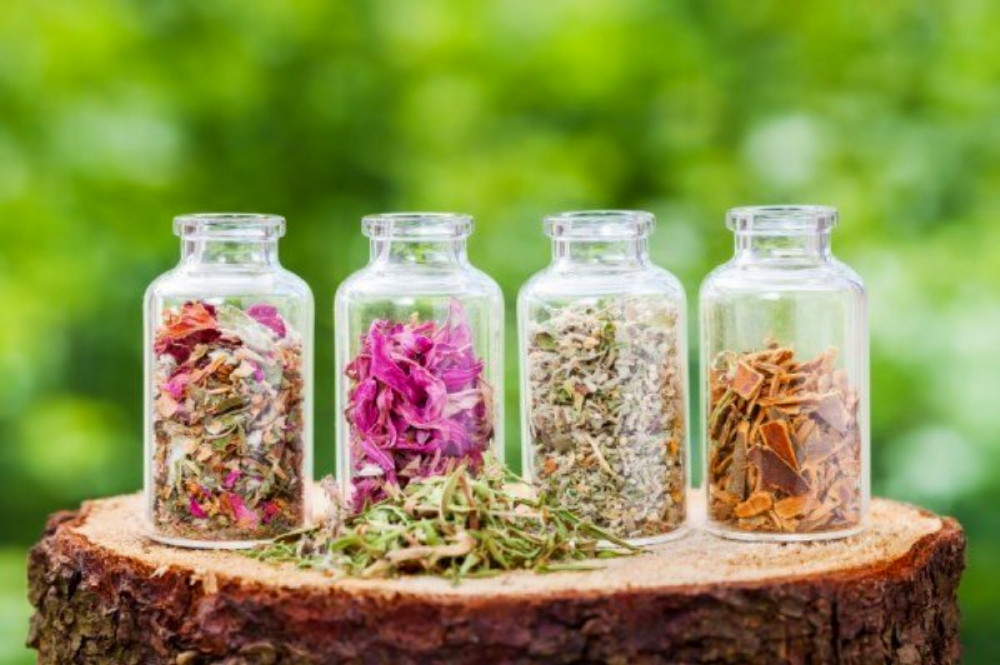
These small, consistent supports helped regulate my body and mind over time, instead of chasing a quick solution in the middle of a storm.
Herbs aren’t a replacement for therapy, reflection, or support systems, but they are powerful allies. They restore balance when the nervous system feels frayed, and they give back a sense of agency — the quiet reassurance that I can do something for myself in the moment. For me, that has made all the difference.
Beyond Labels
In the end, I realized that chasing the “right” diagnosis was less important than finding what actually helped me live with more calm, balance, and joy. Whether the name is CPTSD, autism, both, or something else entirely, the truth is that our nervous systems deserve care.
Herbs remind me of that every day. They don’t ask for labels or perfection — they simply offer their quiet support, meeting us where we are. For me, that has been the most healing lesson: I don’t have to be “fixed” to be worthy of care. I only have to be present, and willing to nurture myself as I am.
If you’ve ever struggled with overwhelm, anxiety, or feeling out of step with the world, know that you’re not alone. There is no single path, but there are many allies along the way — and the plants are always waiting to walk with us.

 EarthWise Organics
Leave a comment