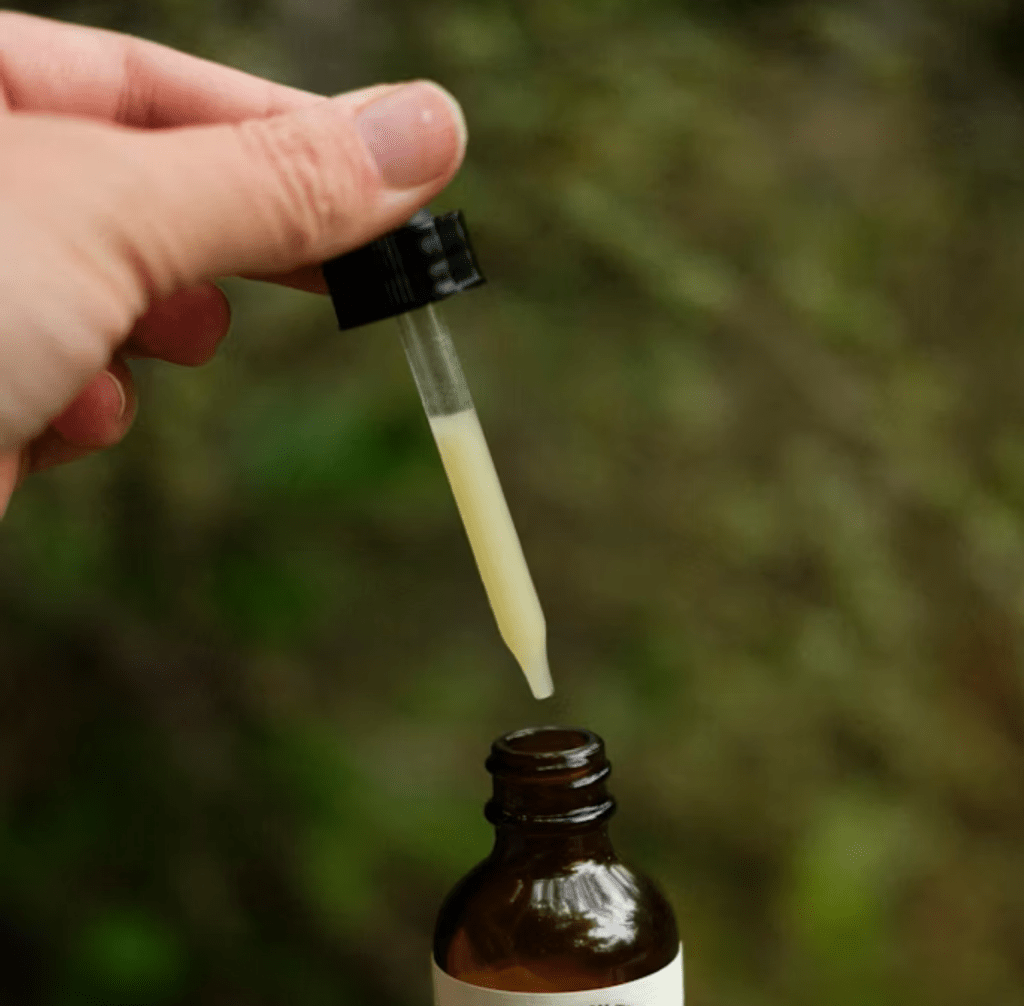
One of the most asked questions I get from buyers is, “How long will my tincture last?” I always include an expiration date on my tinctures, but if yours doesn’t have one, here are some solid ways to tell if your tincture is still good and how to keep it good for a long time.

One thing I love about herbal tinctures is their long shelf life. No worries about getting rid of expired tinctures like other meds. It’s nice to know that what you need is good to go, especially when it’s the middle of the night or when you’re not feeling great.
The shelf life of herbal tinctures made with alcohol is between 3 to 5 years, and they often remain good even longer if stored correctly. While they don’t technically “expire” or spoil like food, their potency will gradually degrade over time, so there’s no danger from taking an expired tincture. There’s just no benefit.
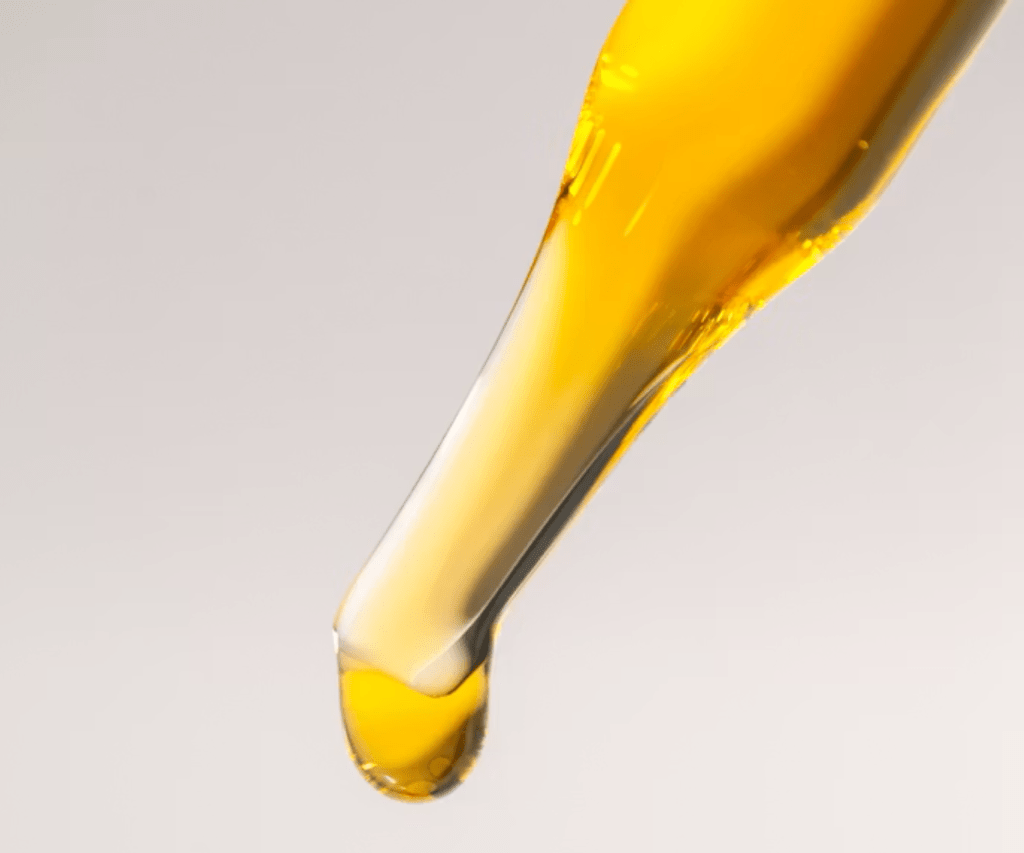
How long does it last?
Shelf life depends on the base liquid, or solvent, used to craft the tincture. There are 3 common bases.
- Alcohol Base (50 proof): Lasts 3 to 5 years for optimal potency. The alcohol inhibits bacteria, mold, and yeast.
- Vegetable Glycerin Base (Glycerites): Lasts 1 to 3 years. Glycerin is a weaker preservative than alcohol and degrades faster.
- Vinegar Base (Apple Cider Vinegar): Lasts 6 months to 1 year. Vinegar extracts degrade quickly and usually require refrigeration to reach the one-year mark.
Has my tincture gone bad?
It’s rare for a tincture to get moldy, but there are things to check when deciding if it’s still good. These signs tell you if it’s lost its effectiveness.
- Loss of Aroma: A dramatic reduction in the smell of the herb.
- Weakened Taste: The flavor becomes dull, meaning the phytochemicals have broken down.
- Mold or Sour Smell: This only occurs in vinegar bases and low-alcohol blends (less than 50 proof).
- Note: Sinking particles or sediment at the bottom of the bottle is normal and does not mean it’s not good. Just shake well before use.
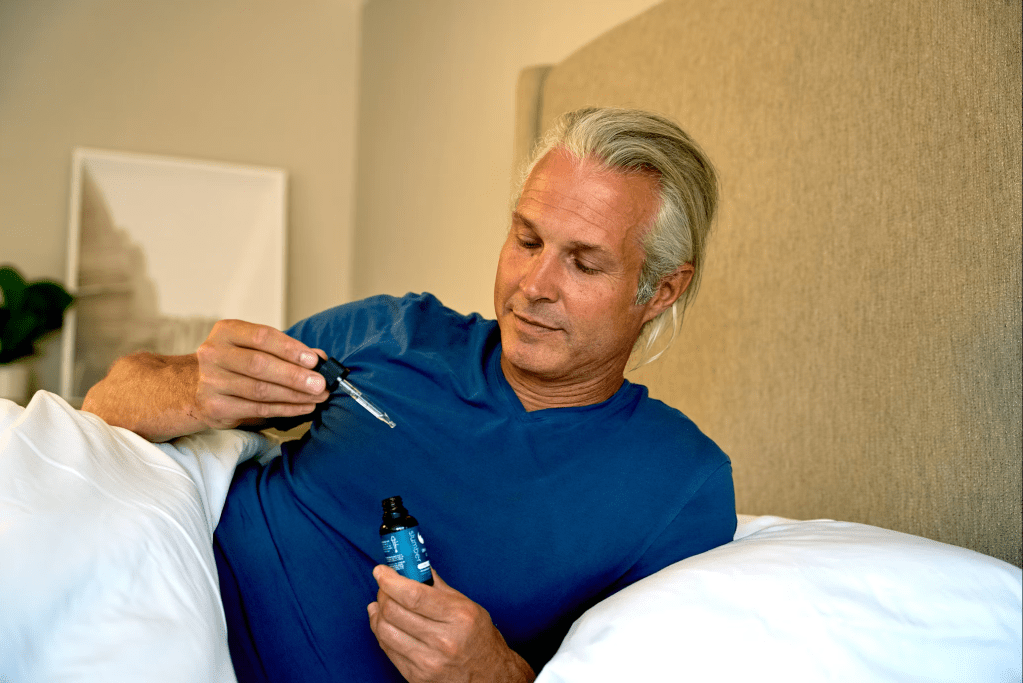
How do I store my tincture?
To get the longest life out of any tincture, use the methods below.
- Block out light: Store your tincture in a dark colored glass bottle to block UV rays. Light will degrade it faster.
- Control the climate: Keep your tincture in a cool, dark cupboard between 60°F and 75°F. Heat can drop tincture potency by 40% in a single year.
- Remove the pipette: For long-term storage, remove the pipette and keep the bottle upright. The alcohol and essential oils can degrade the lid’s rubber gasket and markings on measured pipettes over time.
A little know-how can keep your natural medicine cabinet stocked, potent, and ready for service. So check those bottles, smell those aromas, and enjoy natural health that’s straight from the earth.

