A practical guide to knowing what you’re really buying from an experienced herbalist.
Herbal supplements are widely available, but not all labels are equal. Understanding what’s on an herbal product label can help you choose safer, higher-quality remedies and avoid misleading or incomplete information.
This guide walks through the key elements of a proper herbal supplement label, what they mean, and how to know when a product is over-promising.
Why Herbal Labels Matter
Herbal labels are more than just branding. They communicate:
• What plant is used
• Which part of the plant
• How it was prepared
• How much you’re getting
• How to use it
• Important safety information
This is the information you need to know if the supplement is what you’re looking for. Be sure the details are clear and understandable. If you’re unsure of what the label is telling you, ask the seller or move on.
1. Supplement Facts
This is the most important part of the label. You need to know what the dose is, how much herb is in each dose, and the ingredients used to create the supplement.
It usually includes:
• Serving size (the dosage)
• Amount per serving (how many mg in each dose)
• Ingredients
• % Daily Value (if applicable)
What to Look For
Serving Size
This tells you how much of the product equals one dose.
Example:
“Serving Size: 1 mL (about 30 drops)”
Amount per Serving
This shows how much herb or extract you’re getting.
Example:
“Chamomile extract: 500 mg”
Other Ingredients
These may include alcohol, glycerin, water, or capsule materials.
Clear, simple ingredient lists are best. If something seems unclear, ask. Be sure of what the label is telling you for dosage and mg in each dose. Make sure there’s an ingredient list that specifies everything in the supplement. Be cautious if this information is missing.
2. Botanical Name (Latin Name)
Common plant names can be confusing. People may know a plant by different common names (there are a lot of them), so it’s important to see the plant’s scientific name, or Latin name, on the label. This is going to ensure you’re getting exactly the supplement you want, not one that’s close.
Example:
Chamomile could mean:
• Matricaria chamomilla (German chamomile)
• Chamaemelum nobile (Roman chamomile)
These are different plants with different properties but look and smell very similar. Lots of herbs have relatives that are hard to tell apart. Be sure of what you’re getting.
3. Plant Part Used
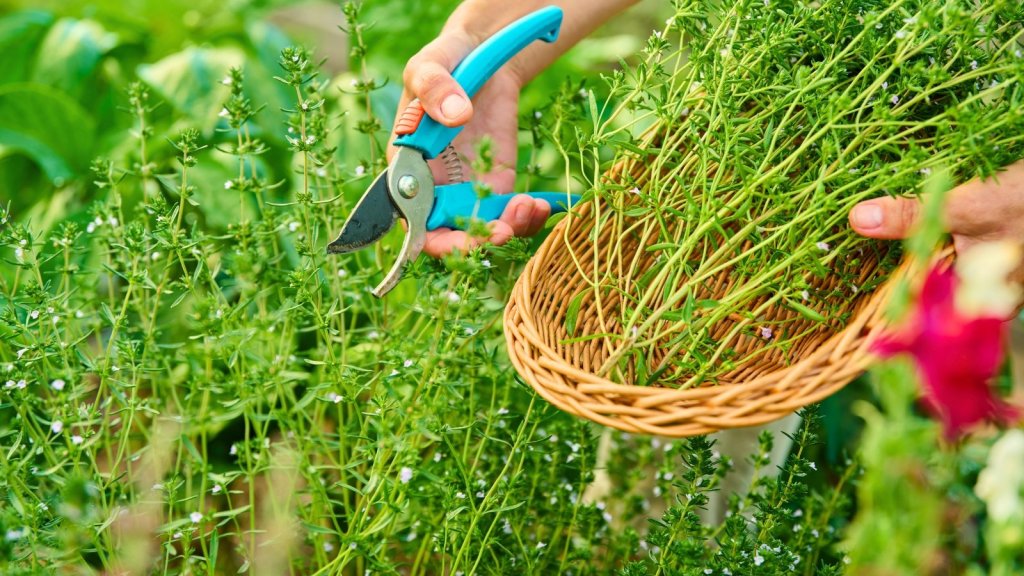
Different parts of a plant have different concentrations of active compounds, which is why the part used is important to know. Roots and bark are more dense and mineral-rich, while leaves and flowers are higher in volatile oils and delicate constituents. Seeds and berries have their own profiles. Knowing which part was used tells you a lot about what you’re actually getting.
For example:
• Root
• Leaf
• Flower
• Bark
• Seed
A gray area
With commonly known herbs, like echinacea or chamomile, it’s understood that if there’s no specification of root, flower, or berry, the entire above-ground plant is used. I do this on my own labels.
Example:
Echinacea – this indicates the entire above-ground plant is used.
Echinacea Root – this indicates only the root is used.
Remember to apply this gray area only to herbs that are widely known and used. If you see an unfamiliar herb and the label doesn’t specify what part is used, be cautious. That’s something you’re going to want to ask the seller or manufacturer about.
4. Form of Preparation
Herbs can be prepared in several ways:
• Tincture (alcohol or glycerin extract)
• Tea / infusion
• Capsule
• Powder
• Syrup
• Extract
The label should clearly state what the prepared is because each form has different strengths and ingredients. Also, the body processes solids, like capsules or powders, differently than liquids, so this detail matters.
5. Herb-to-Menstruum Ratio (For Tinctures)
This is a key quality indicator for liquid tinctures and extracts. The first number is the herb. The second number is the liquid. The semicolon is “to”.
Example:
“1:5 in 40% alcohol”
This is read as 1 (plant material) : (to) 5 (liquid). The liquid is the 40% (80 proof) alcohol. It tells you how concentrated the extract is. A 1:5 ratio is very common and the most widely available. The lower the second (liquid) number is, the more concentrated the tincture is and the more potent. A 1:2 tincture is much stronger than a 1:5 tincture and can be called an extract.
⚠️Caution!
People unfamiliar with or are new to tincturing and extraction may confuse volume with weight here. A cup of mullein (volume) is different than an ounce of mullein (weight). It’s an easy and common mistake to make. A correct ratio is an ounce of mullein to 5 ounces of liquid. Be sure the product you’re purchasing has correct ratios. If you’re unsure, by all means ask.
6. Strength and Standardization
Strength
Strength depends on ratio in tinctures and extracts. It’s calculated from the ratio numbers.
Example:
“1:5 in 40% alcohol”
This one’s not intuitive, but it’s not difficult. Starting from 1000mg (the baseline) 1:1 means the herb and liquid are equal. Each ml will have 1000mg of the herb. Then you just divide from there. I use a 1:2 ratio, so that means 1,000mg divided by 2 = 500mg per ml. A typical 1:5 ratio yields 1,000mg divided by 5 = 200mg per ml. If the tincture you’re buying doesn’t list the mg per dose, use the ratio to calculate it yourself.
Standardization
Example:
“Standardized to X% of active compound”
Standardization means the product is adjusted to contain a consistent amount of a specific compound, but it’s not best for traditional herbal use.
Herbs have many interacting compounds, and when one is isolated and enhanced, it reduces the support and synergy of the other compounds. Herbs have a complex biodiversity that combine and act in ways we still don’t understand. Isolating one compound out of many usually doesn’t give the complete results as that same compound in it’s natural state.

7. Dosage Instructions
Don’t skip this information. A responsible herbal label includes clear use instructions.
Look for:
• How much to take
• How often
• Suggested duration (if included)
Example:
“Take 1 mL, 1–2 times daily.”
Avoid products that offer vague or incomplete directions. That usually means the producers or crafters aren’t really sure. That’s a product you want to stay away from. A legitimate product will say exactly how to use it.
8. Manufacturer Information
A proper label should include:
• Company name
• Location
• Contact info
This shows accountability and allows customers to ask questions. Some handcrafted supplements use the platform they sell on for contact information, so don’t assume there is none if it’s not on the label. If you bought your supplement on a platform like Etsy (my go-to and shop home), the contact information is included in the listings, the shop info, and the packing slip. Any anonymous products with no clear manufacturer information should be avoided.
9. Expiration Date
Herbal products lose potency over time. A label should include:
• Expiration date
• Or “Best by” date
Freshness matters for effectiveness and safety. If a supplement has been hanging around too long, it could have lost it’s potency and the ability to help you. Without a specific expiration date, or at the least a production date, there’s no way to tell whether it will do what you want it to. There’s also no way to tell if the seller held on to it longer than they should have and is sending you a dud. If there’s no date on the label, contact the seller and ask when it was made. They shouldn’t mind sharing that info. If they do, pass on it.
10. “Supplement” vs. “Medicine” Claims
In the U.S., herbal products are regulated as dietary supplements, not drugs.
That means labels cannot legally claim to:
• Diagnose
• Treat
• Cure
• Prevent disease
Instead, you’ll see language like:
• “Supports relaxation”
• “Promotes immune health”
• “Helps maintain balance”
This is normal and legally required. If a product lists conditions it will cure or ease, that’s specifically against FDA regulations and shouldn’t be believed. Herbs aren’t a miracle cure. They can nudge us in the right direction and they can help rebalance an out of balance system, but herbs have never done the same job as pharmaceuticals. Herbs are a natural way to realign a system imbalance, not cure disease.
How to Read an Herbal Label Step by Step
When you pick up a product, scan it in this order:
- Botanical name
- Plant part used
- Preparation form
- Ratio or strength
- Dosage instructions
- Expiration date
- Manufacturer info
If any of these are missing, be careful. You may be buying something that won’t serve your needs and may even be unhealthy.
Common Red Flags on Herbal Labels
Be cautious of products that:
• Don’t list Latin names
• Don’t specify plant parts
• Use vague ingredient lists
• Make medical claims
• Hide dosage info
• Avoid transparency
Marketing language should never replace clear information.
Final thoughts
I’ve been creating and selling herbal tinctures online since 2013. I’ve seen a lot of change in the industry and a lot of change especially in the handcrafted herbal sector. Information flows fast online, but not all of it’s correct. Some of it can even be harmful. I love herbs and the healing and comfort they bring, and I want to see as many people as possible benefit from this wonderful natural resource. Hopefully this guide will add to the good resources online and reduce the stuff that’s not so good.
 EarthWise Organics