See answers to some of the most commonly asked questions about tinctures from an herbalist who’s done it all, including efficacy, usage, safety, and shelf life. Below are the breakdowns in easy to understand language.
🛠️ What they are
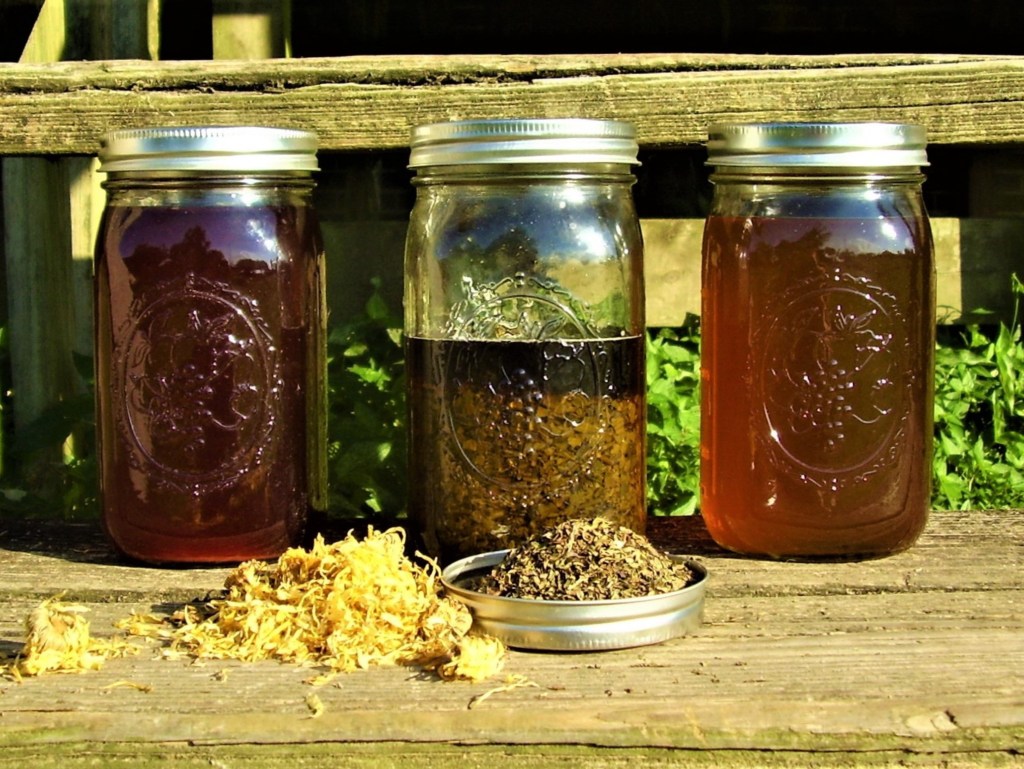
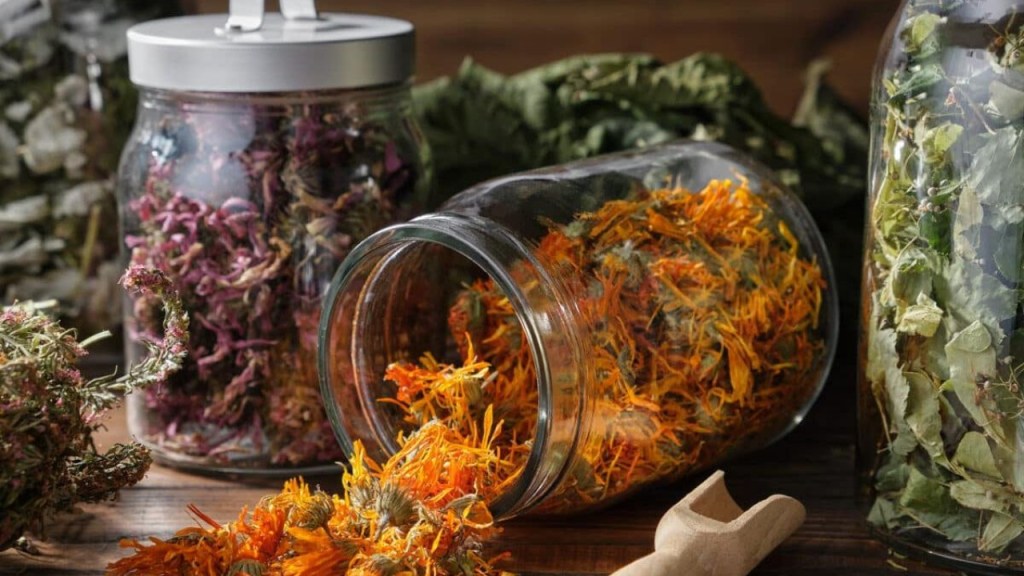
What exactly is a tincture? A tincture is a concentrated liquid extract made by soaking plant material (leaves, roots, flowers, berries) in a combination of alcohol and water. The alcohol acts as a solvent to draw out active compounds that don’t come out with just water. They can be steeped or percolated (my method) by letting the water/alcohol mix run through the herbs using gravity to carry the compounds down and out.
Do they work better than pills or teas? Tinctures bypass the digestive system’s slow breakdown process that tablets and capsules go through. The liquid is absorbed directly through the oral mucosa, making them much faster-acting. Alcohol also extracts compounds (like resins and alkaloids) that even hot water can’t dissolve when making tea.
💧 Using & Dosing
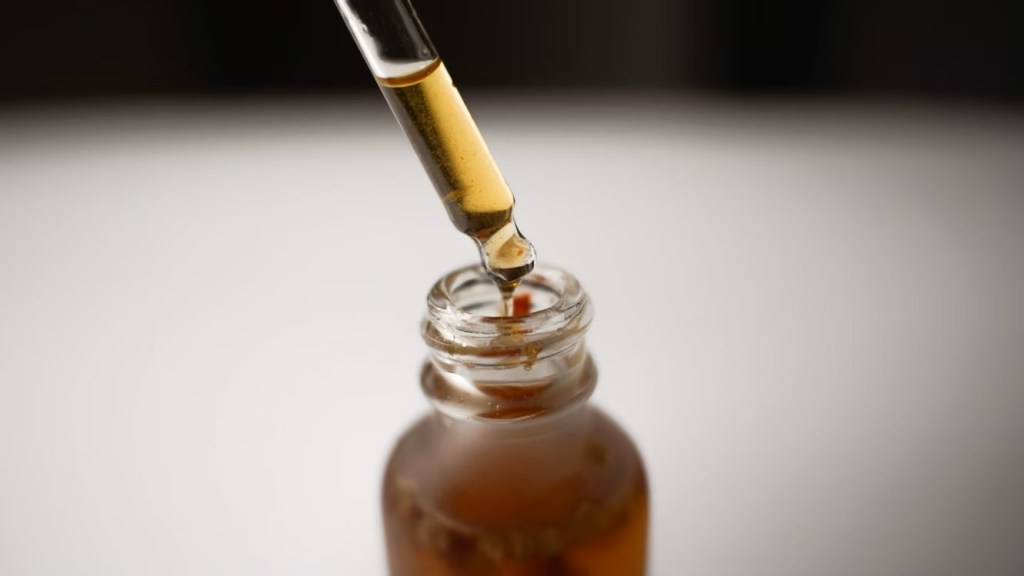
How do I take a tincture? Squeeze the liquid from the dropper directly under your tongue (sublingually) and hold it for 30–60 seconds before swallowing. If you dislike the strong, bitter taste, you can mix the dose in an ounce of water, tea, or juice. Using more then an ounce will dilute the tinctures effects, as will drinking more than an ounce after dosing.
How much should I take? A standard baseline dose for adults is 1 to 3 mL (roughly 30 to 90 drops), taken 2 to 3 times a day. A standard dropper holds exactly 1 mL when squeezed. My tinctures come with measured droppers and specific dosage instructions for precise dosing.
How long does it take to feel results? Immediate-use herbs (like calming lemon balm or chamomile) can work within 15 to 30 minutes. Long-term tonic herbs or adaptogens (like ashwagandha) need consistent daily use for at least 2 to 4 weeks to start feeling the benefits.
⚠️ Safety & what’s in it
Why do they contain alcohol, and is it safe? Alcohol is used because it’s the best solvent and preservative we have. The daily amount of alcohol in a normal tincture dose is very small, usually less than the trace alcohol found naturally in a ripe banana. In numbers, my tinctures are 25% alcohol by volume, or 50 proof. That means that .25% of a 1ml dose, or .25ml, is alcohol, about 5 drops.
Are there alcohol-free options? Yes. Extracts formulated with vegetable glycerin (called glycerites) or apple cider vinegar (acv) are alternatives and ideal for children, pregnant folks, or those with alcohol sensitivities. Keep in mind that glycerine and acids (vinegars) can’t extract the full spectrum of compounds the way alcohol does and aren’t as strong.
Can I remove the alcohol from a tincture? Yes, if done properly. The most reliable way I’ve found to remove the alcohol from a single dose of tincture is to add it to an ounce of hot liquid, like morning coffee or afternoon tea. The heat will vaporize the small amount of alcohol in about 2 minutes. This post gives more information about how you can and can’t remove alcohol from tinctures.
Can tinctures conflict with my medications? Yes. Plants contain complex chemistry that can trigger dangerous herb-drug interactions. For example, St. John’s Wort can significantly decrease the efficacy of blood thinners, birth control, and statins. Always consult a doctor if you take prescription medications. I have a post that goes into more detail about the types of medications and herbs that interact here.
📦 Storing & Ratios
What do ratios like 1:5 mean? These numbers are the extraction ratio. A 1:5 ratio means 1 part herb was steeped in 5 parts liquid. Be careful not to confuse volume with weight, a common mistake with beginners. A cup (volume) of herb to a cup of water is not a correct ratio. Some herbs are very light weight, and a cup may only weigh an ounce, so it’s important to weigh your herbs and your liquid to get a correct ratio. A lower number means a more concentrated product; for instance, a 1:2 extract like mine is significantly stronger than a 1:5 tincture.
How long do tinctures keep their potency? Alcohol-based tinctures have an incredibly long shelf life lasting 3 to 5 years if stored in a cool, dark place out of direct sunlight. So keep your tinctures in those amber bottles in the cabinet. They don’t need refrigeration. Glycerites typically stay good for 1 to 2 years, while vinegar bases expire in roughly 6 to 12 months.