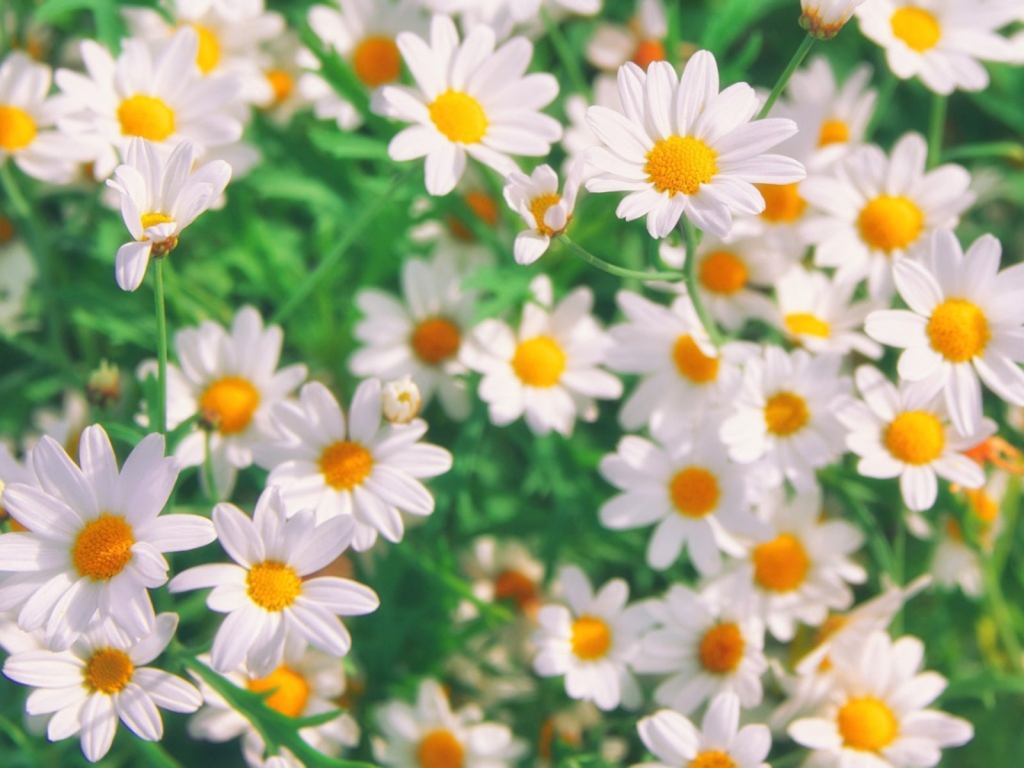
A few reliable plants and consistent care can lead to tinctures and teas for common health goals like better sleep or stress relief. Based on lived experience.
Over time my garden has become about more than home grown tomatoes. It grows remedies, herb teas, and a confidence that comes only from providing them myself. Nothing from my garden is a miracle cure. It’s more a gentle boost to get me past some uncomfortable moments I’d rather not have.
A lot of the herbs I rely on most aren’t rare or exotic. They’re familiar, easy to grow, and useful for common, everyday needs. And with some planning and a little work, they’ve become part of my regular wellness routine.
Here’s how my garden slowly turned into my medicine cabinet.
Start with Simple, Reliable Plants
When I first started growing herbs seriously, I focused on plants that:
• Grow easily
• Handle my climate
• Have several uses
• Are safe for regular use
Herbs made up part of almost every kitchen garden when stores or doctors weren’t easy to get to or pay for. My research led to a regularly expanding herb section over time that includes:
• Chamomile
• Lemon balm
• Peppermint
• Calendula
• Yarrow
• Nettle
• Oregano
• Rosemary
These plants thrive in the garden and in daily life.
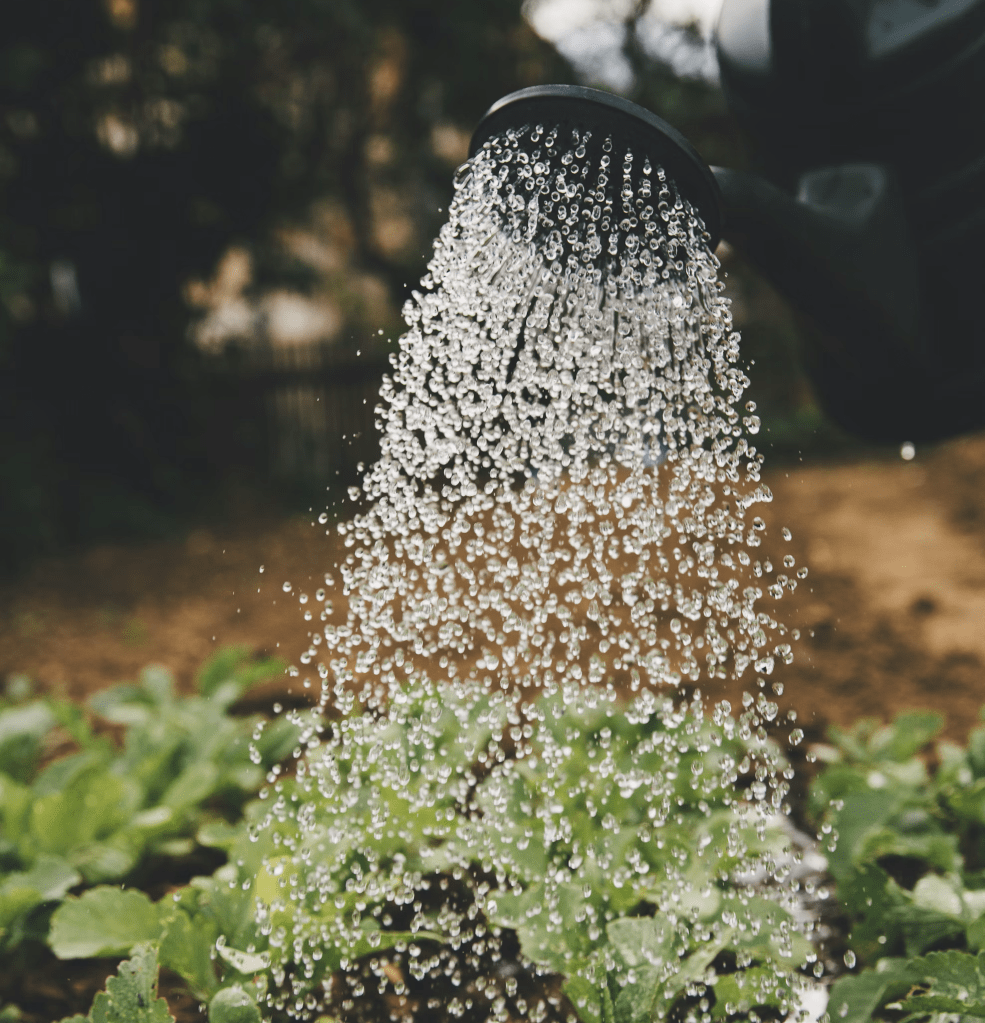
What herbs are best for nerves and stress?
A too-busy nervous system affects everything – sleep, digestion, mood, and resilience.
Two of my most-used garden herbs for calm support are:
✅Lemon Balm
Easy to grow, fast-spreading, and wonderfully calming. Lemon balm supports emotional balance and nervous tension without making me sleepy.
✅Chamomile
A familiar, gentle herb that supports relaxation, digestion, and sleep.
Both are perfect for simple teas, tinctures, or evening routines.
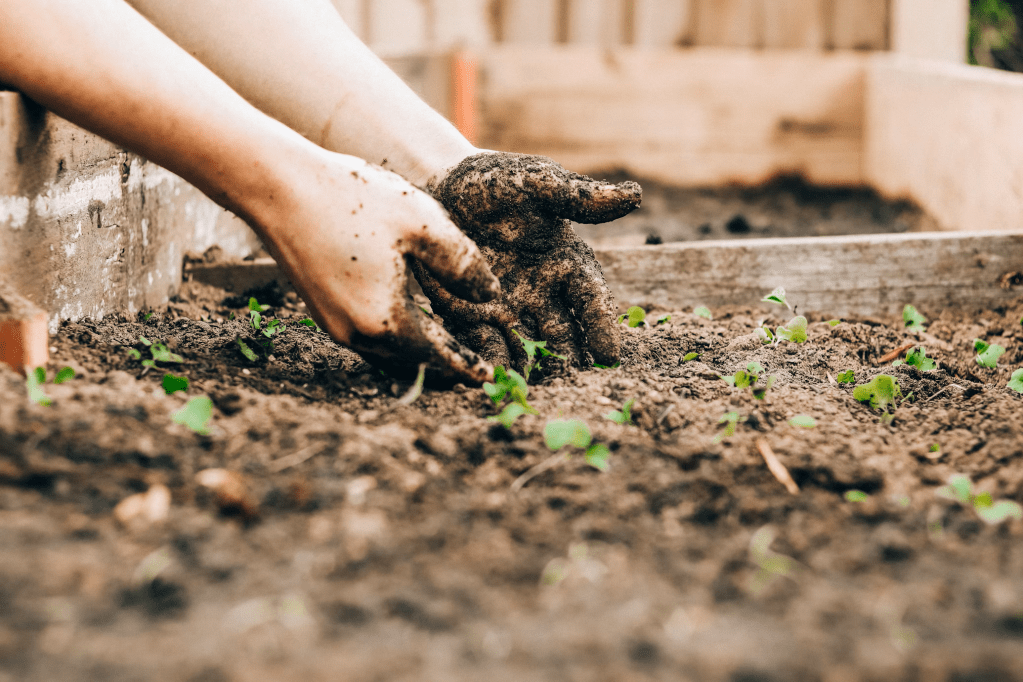
These are great for Digestive Support and stomach issues
Many common garden herbs support digestion naturally.
✅Peppermint
Helps with gas, bloating, and digestive discomfort.
✅Fennel
Great for post-meal digestion and gentle stomach support.
✅Ginger (when grown or kept on hand)
Supports digestion, circulation, and warming energy.
These herbs turn everyday meals into gentle digestive support.
Skin Care Straight from the Soil
Some of the most useful garden herbs support the skin.
✅Calendula
Soothes irritation, supports healing, and works well in salves, oils, and washes.
✅Plantain
Excellent for minor skin issues, bug bites, and soothing irritated areas.
These herbs make it easy to create simple, effective skin remedies at home.
Immune and Seasonal Support
Garden herbs can also support the immune system during seasonal shifts.
✅Yarrow
Traditionally used for circulation, immune support, and first-aid applications.
✅Elderberry (if grown or foraged)
Often used for seasonal immune support.
These plants help the garden serve practical, seasonal needs.
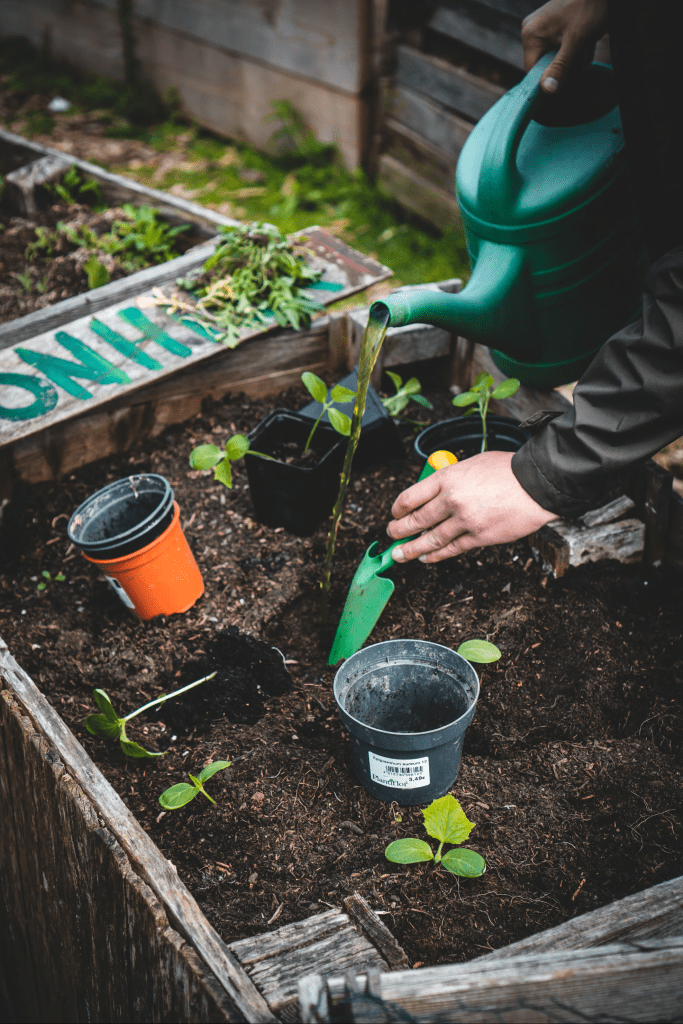
Growing What You Actually Use
One of the biggest lessons I learned is this: grow herbs you’ll actually use.
Instead of collecting dozens of plants, I focus on:
• What fits my routine
• What I know how to prepare
• What supports my real needs
• What grows well in my space
A smaller, more purposeful garden is easier to maintain, and it’s more useful.
Simple Preparations, Not Complicated Projects
My garden-based herbal routine stays simple.
Most of what I make is:
• Teas
• Tinctures
• Infused oils
• Salves
• Simple syrups
No complicated equipment. No overwhelming processes. Just practical preparations that fit into daily life.
Seasonal Rhythms Matter
The garden teaches you to work with seasons, not against them.
Spring brings fresh new sprouts from self seeding or roots spreading.
Summer offers vigorous growth and full bushy or clumping plants.
Fall focuses on roots and preservation.
Winter becomes a time to use what’s been stored.
This rhythm naturally shapes how herbal support shows up throughout the year.
The Confidence of Self-Reliance
When your garden becomes part of your wellness routine, something shifts.
You start to:
• Trust your observations
• Understand your plants better
• Feel more connected to your care
• Rely less on outside products
It’s not about rejecting modern medicine. It’s about adding plant-based support you understand and trust.
a few things to keep in mind
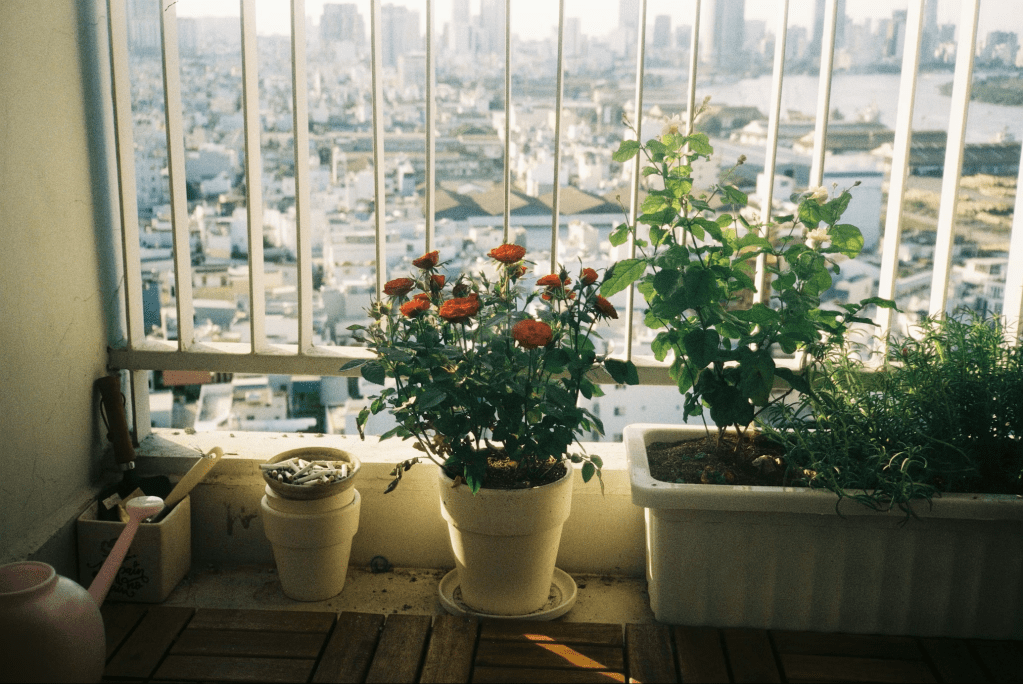
You don’t need a huge property or rare plants to build a garden-based medicine cabinet.
Do I need an outdoor garden?
✔ Simple things like flower pots, a bag of potting soil, and a sunny window sill can do the job.
Which herbs are best?
✔ A few reliable herbs are best for beginners. These are easily found in grocery stores, big box stores, or online. Most are available as little plants in small starter pots. Peppermint, lemon balm, and calendula (marigold) are usually easy to find.
Does it actually work?
✔ Short answer – yes! If you’re consistent with growing and using herbs like lemon balm, chamomile, and peppermint, you can feel improvements within a week or so. Just don’t forget to water them and pinch off a bit for a great cup of herbal tea.

