
A practical, no-overwhelm approach to consistent herbal support
Many people are interested in using herbs but feel unsure where to start or how to use them consistently without turning it into a complicated wellness project.
A good herbal routine doesn’t need to be complex, expensive, or time-consuming. In fact, the most effective routines are usually simple, targeted, and sustainable.
This guide walks you through how to build a basic herbal routine that supports your body without creating stress or confusion.
1. Start With One Goal, Not a Long List
Herbal routines work best when they focus on one primary system at a time, such as:
- Nervous system (stress, sleep, tension)
- Digestive system (bloating, sluggish digestion)
- Immune system (seasonal support, recovery)
- Circulatory system (cold hands/feet, energy)
Trying to address everything at once often leads to inconsistent use and unclear results.
Example goals:
- “I want to support better sleep.”
- “I want calmer nerves during the day.”
- “I want more comfortable digestion after meals.”
Pick one goal and build around it.
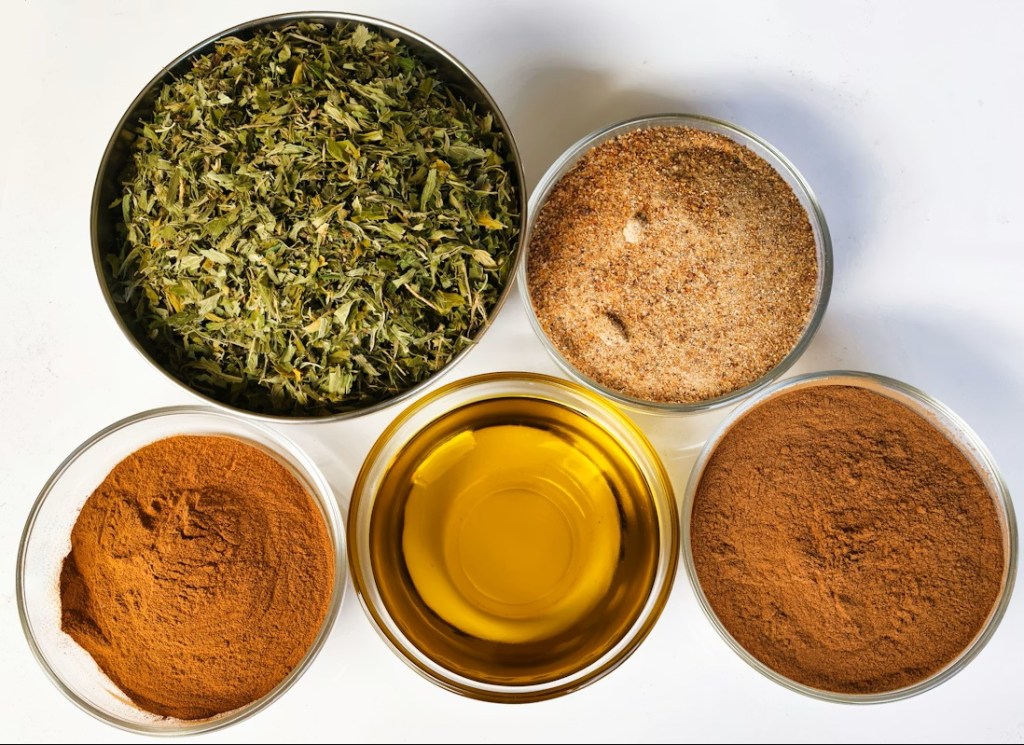
2. Choose 1–3 Herbs That Match That Goal
More herbs do not automatically mean better results.
Most routines work well with one to three well-chosen herbs.
For example:
Nervous system support:
- Lemon balm
- Chamomile
- Skullcap
- Oat straw
Digestive support:
- Ginger
- Fennel
- Peppermint
- Dandelion root
Immune support:
- Elderberry
- Echinacea
- Astragalus
- Yarrow
Choosing fewer herbs makes it easier to notice how your body responds.
3. Pick One Form You’ll Actually Use
Herbs are only helpful if you take them consistently.
Choose the form that fits your daily habits:
- Tinctures – quick, portable, easy to dose
- Teas – gentle, ritual-based, soothing
- Capsules – convenient, no taste
- Infusions – stronger mineral/nutritive support
There’s no “best” form, just the one you’ll use regularly.

4. Build the Routine Around Your Existing Habits
Instead of adding new steps to your day, attach your herbs to something you already do:
- Morning coffee → Take tincture afterward
- Evening TV → Drink herbal tea
- Brushing teeth → Take capsules
- Dinner → Digestive tea
This makes the routine automatic instead of effort-based.
5. Use Simple, Consistent Timing
Most basic herbal routines work well with:
- 1–2 doses per day
- Taken at roughly the same times
Consistency matters more than precision.
You don’t need perfect timing, just repeatable timing.
6. Give It Time Before Judging Results
Herbs often work gradually, especially with:
- Nervous system support
- Hormonal balance
- Digestive regulation
- Stress recovery
A good evaluation window is 2–4 weeks of regular use.
Avoid changing herbs too quickly, or it becomes difficult to tell what’s helping.
7. Pay Attention to How Your Body Responds
Signs a routine is working:
- Subtle improvements in sleep, digestion, or mood
- Feeling more regulated or comfortable
- Fewer symptom flare-ups
Signs an herb may not be a good fit:
- New discomfort
- Headaches
- Digestive upset
- Feeling wired or overly sedated
Herbal routines should feel supportive, not disruptive.
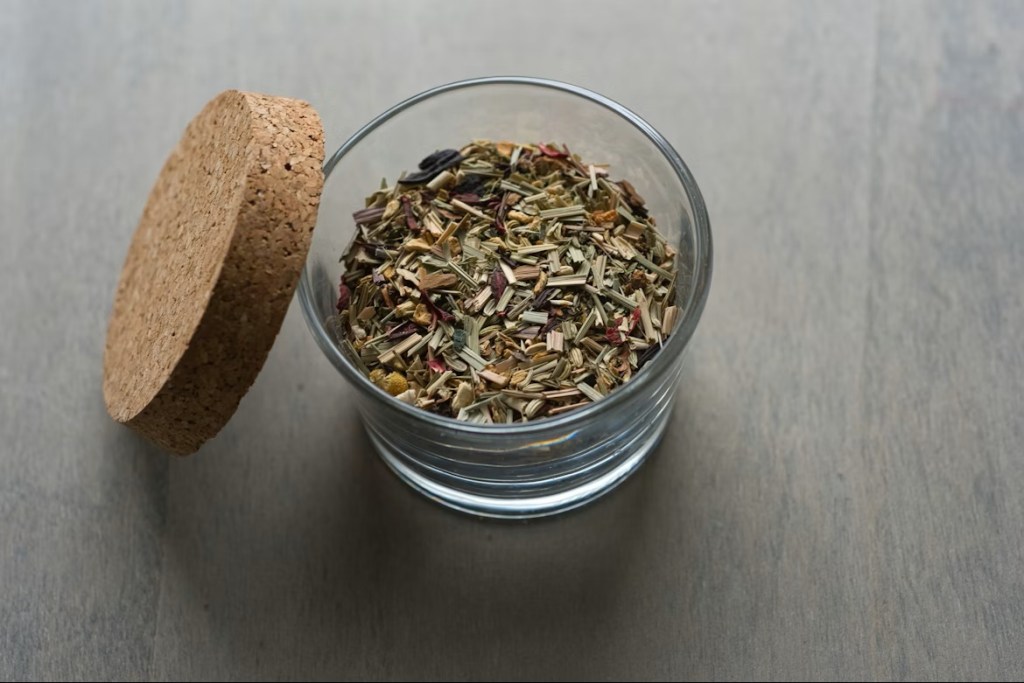
8. Keep It Simple on Purpose
You don’t need:
- 10 different herbs
- Complicated schedules
- Expensive products
- Constant changes
A simple, steady routine often provides better results than a complex one that’s hard to maintain.
Final Thoughts
Herbal routines work best when they are:
✔ Focused
✔ Gentle
✔ Consistent
✔ Easy to maintain
Herbs are meant to support the body, not turn self-care into another source of stress.
If you start small, stay consistent, and listen to your body, your routine can grow naturally over time.

