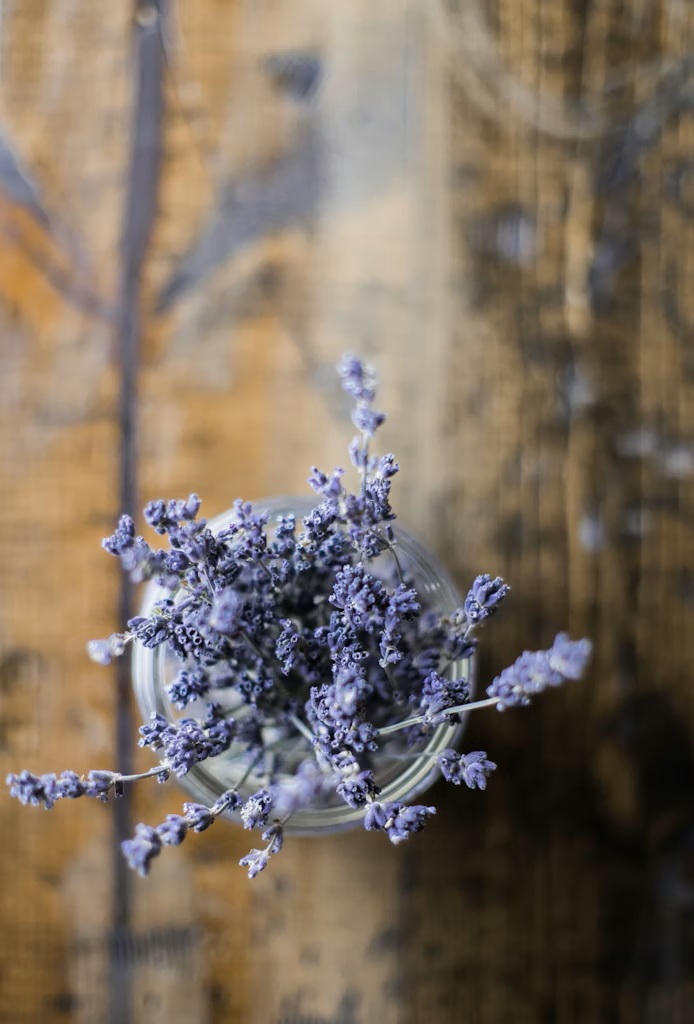
You don’t need a wall of jars or an overflowing apothecary to practice herbalism. In fact, some of the most effective herbal support comes from keeping a small, reliable collection of herbs you reach for again and again.
These are what I think of as herbal pantry staples, herbs that are versatile, gentle, and useful across seasons and situations. Whether you’re just getting started or refining your herbal practice, having these on hand makes everyday wellness simpler and more intuitive.
🌱 What Makes an Herb a “Pantry Staple”?
A good staple herb is:
- versatile (used in multiple ways)
- gentle and generally well-tolerated
- easy to prepare
- useful for common, everyday needs
These are herbs you don’t have to overthink. You learn them well, build a relationship with them, and rely on them often.
🌼 1. Chamomile
Chamomile is one of the most approachable herbs and one of the most useful.
Why it’s a staple:
- supports relaxation and sleep
- eases digestion
- gentle for all ages
- calming without being sedating
Keep it as loose tea, tea bags, or tincture. It’s often the first herb people fall in love with — and for good reason.
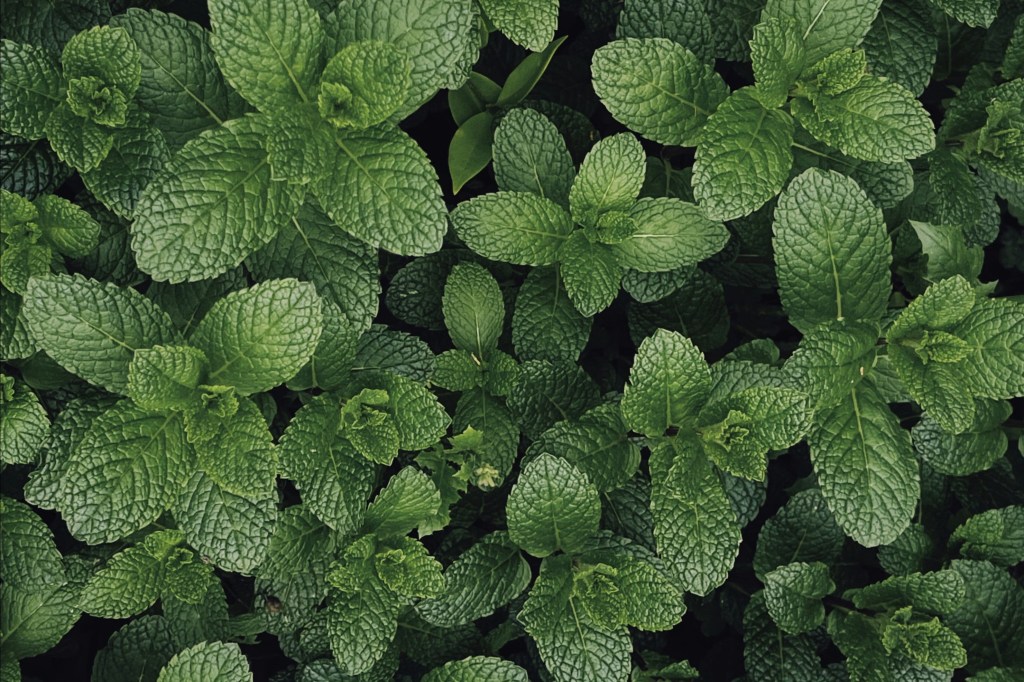
🍃 2. Peppermint
Peppermint is refreshing, versatile, and fast-acting.
Why it’s a staple:
- supports digestion
- eases nausea and bloating
- helps with headaches
- uplifting and clarifying
Peppermint tea is a classic, but it also works well as a tincture or added to blends.
🌿 3. Ginger Root
Fresh or dried, ginger earns its place in every herbal pantry.
Why it’s a staple:
- supports digestion and circulation
- helps with nausea
- warming and grounding
- useful in teas, decoctions, and food
Ginger bridges the gap between kitchen and apothecary beautifully.
🌱 4. Lemon Balm
Lemon balm is gentle, bright, and deeply supportive.
Why it’s a staple:
- calms the nervous system
- lifts mood
- supports sleep
- gentle enough for daily use
It’s especially helpful during stressful seasons or emotional overwhelm.
🌿 5. Nettle
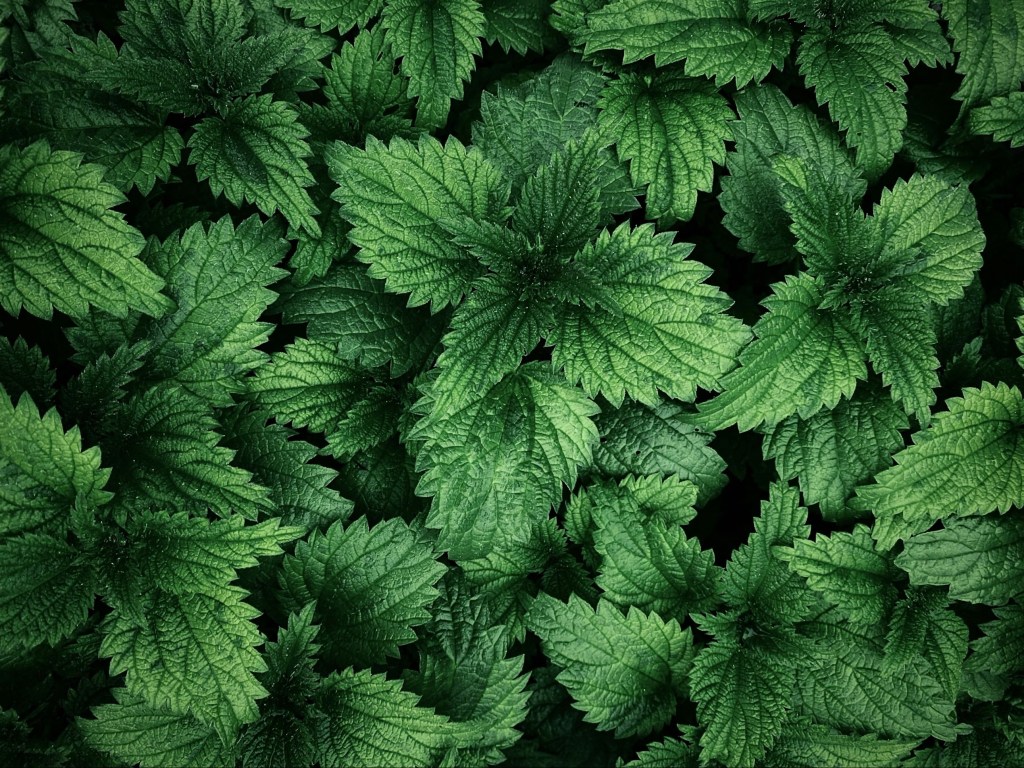
Nettle is one of the most nourishing herbs you can keep on hand.
Why it’s a staple:
- mineral-rich
- supports seasonal allergies
- gentle daily nourishment
- works well as long infusions
Nettle is less about quick fixes and more about long-term support.
🌸 6. Elderberry
Elderberry shines when immune support is needed.
Why it’s a staple:
- supports immune response
- useful during seasonal challenges
- versatile as syrup, tincture, or tea
It’s especially helpful to have on hand before you need it.
🌾 7. Oat Straw
Often overlooked, oat straw is deeply nourishing.
Why it’s a staple:
- supports the nervous system
- gentle daily tonic
- mineral-rich
- excellent for long infusions
This is a quiet, steady herb that supports resilience over time.
🌿 8. Calendula
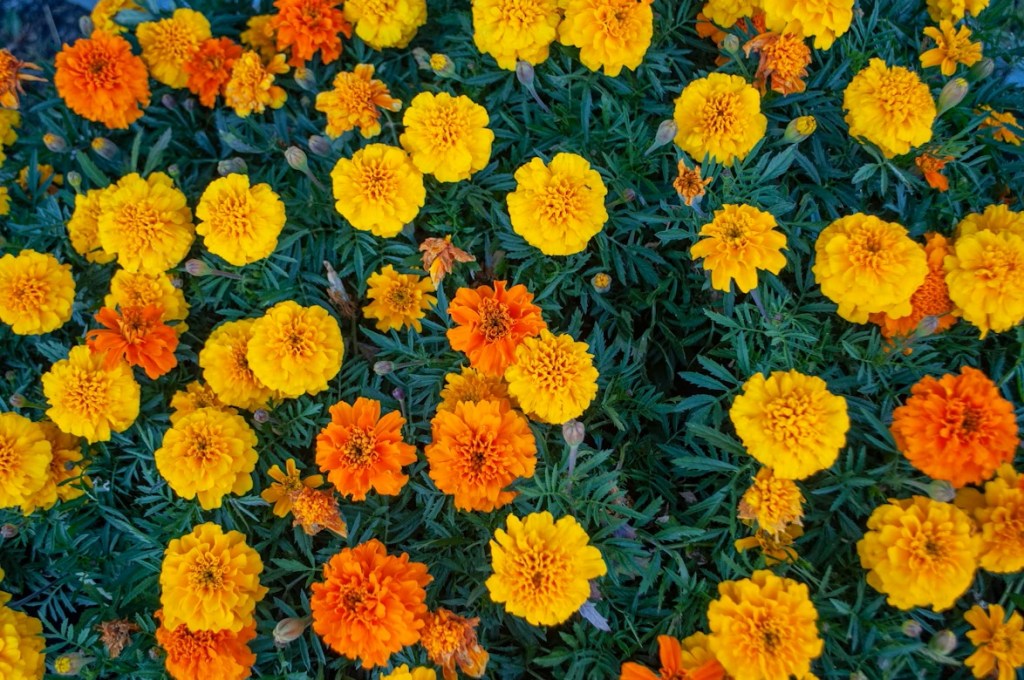
Calendula earns its place for both internal and external use.
Why it’s a staple:
- supports skin health
- gentle lymphatic support
- useful in teas, oils, and salves
It’s one of those herbs you’re always glad to have nearby.
🍵 Choosing Forms: Tea, Tincture, or Both?
You don’t need every herb in every form. A simple guideline:
- Tea/Infusion: daily nourishment, gentle support
- Tincture: convenience, travel, quicker use
- Syrup: immune support and palatability
Choose the form you’re most likely to actually use.
🌙 Start Small and Build Slowly
An herbal pantry doesn’t need to be built all at once. Start with:
- 3–5 herbs you’ll use regularly
- learn how they feel in your body
- add new herbs as needs arise
Herbalism works best when it grows organically.
🧡 Conclusion
Having a small collection of reliable herbs on hand makes herbal support feel natural and accessible — not complicated or overwhelming. These pantry staples form the foundation of a thoughtful, everyday herbal practice.
You don’t need everything.
You just need the right things.
 EarthWise Organics