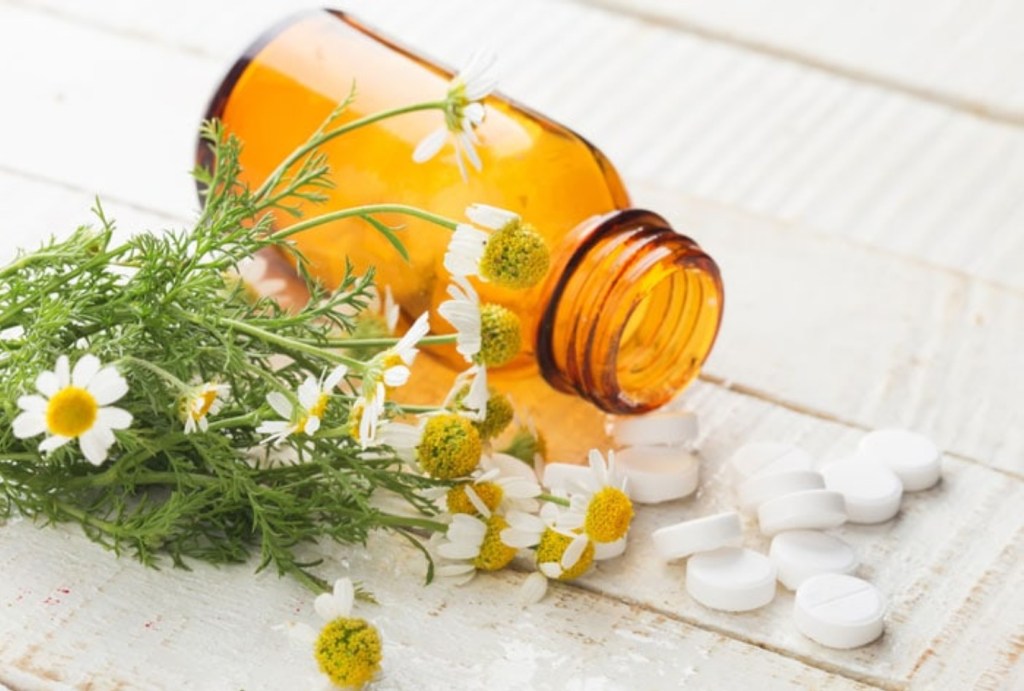
Herbal medicine and modern pharmaceuticals can work beautifully together, but they can also interact in ways that change how a medication works. Some combinations simply reduce effectiveness, while others may increase the strength of a drug or place extra stress on the liver.
The purpose of this guide isn’t to scare anyone away from herbs.
It’s to help you make informed, confident choices about the herbs you use and how they fit into medications you may already be taking.
Below are the most commonly relevant interactions people should know.
💊 Blood Thinners (Warfarin, Xarelto, Eliquis, Aspirin)
Herbs to Avoid or Use With Caution:
- Ginkgo biloba — increases bleeding risk
- Garlic (high-dose) — increases bleeding risk
- Ginger (high-dose) — may potentiate blood thinning
- Turmeric / Curcumin — mild blood-thinning effect
- Feverfew — can increase bleeding tendency
- Willow bark — contains salicylates (aspirin-like)
Why it matters:
Blood thinners already stretch the clotting window. Adding herbs that also thin the blood can make bruising, nosebleeds, or internal bleeding more likely.
❤️ Blood Pressure Medications
(ACE inhibitors, beta blockers, calcium channel blockers, diuretics)
Herbs to Avoid or Use With Caution:
- Hawthorn — strengthens heart contractions and can amplify BP meds
- Licorice root — raises blood pressure, counteracting medication
- Ginseng (various types) — may create unpredictable BP changes
- Ephedra / Ma Huang (rarely used, but important) — raises BP sharply
Why it matters:
Some herbs can amplify the effects of medications, while others push in the opposite direction, making blood pressure harder to control.
💉 Diabetes Medications / Insulin
Herbs to Avoid or Use With Caution:
- Fenugreek — lowers blood sugar
- Bitter melon — lowers blood sugar
- Gymnema — lowers blood sugar
- Ginseng — can also drop blood sugar
- Cinnamon (high-dose) — enhances insulin response
Why it matters:
Blood sugar can crash quickly if herbs and medications both lower glucose.
🌙 Sedatives, Sleep Medications, Anxiety Meds
(Benzodiazepines, Ambien, gabapentin, some antidepressants)
Herbs to Avoid or Use With Caution:
- Valerian root — increases sedation
- Kava — potentiates sedatives
- Passionflower — adds to sedative effect
- Hops — increases drowsiness
- California poppy — enhances sedation
Why it matters:
Combining sedative herbs with sedative meds can make people overly drowsy or dizzy, especially at night or while driving.
🧠 Antidepressants (SSRIs, SNRIs, MAOIs)
Herbs to Avoid or Use With Caution:
- St. John’s Wort —
- Interacts with SSRIs
- Lowers effectiveness of many medications
- Can increase serotonin to unsafe levels
- Ginseng — may alter serotonin levels
- SAM-e (technically a supplement) — may increase serotonin
Why it matters:
Serotonin imbalance can be dangerous, and St. John’s Wort is notorious for drug interactions — it speeds up how quickly the liver clears medication.
🧪 Immunosuppressants
(for autoimmune conditions, organ transplants, inflammatory disorders)
Herbs to Avoid or Use With Caution:
- Echinacea — stimulates immune activity
- Astragalus — boosts immune response
- Reishi / medicinal mushrooms — immune-modulating
- Elderberry — activates immune cells
Why it matters:
These herbs may counteract the purpose of immunosuppressive therapy.
🍷 Liver-Metabolized Medications
(A huge category: pain meds, antidepressants, statins, hormone meds, etc.)
Herbs to Avoid or Use With Caution:
- Kava — slows liver clearance
- Black cohosh — rare liver reaction risk
- Comfrey (internal use) — not recommended, liver-toxic
- St. John’s Wort — speeds up liver detox pathways, reducing drug levels
Why it matters:
Some herbs slow the liver, others speed it up — either way the medication level becomes unpredictable.
💛 8. Thyroid Medications
(Levothyroxine, Synthroid)
Herbs to Avoid or Use With Caution:
- Bugleweed / Lycopus — lowers thyroid hormone output
- Lemon balm / Melissa — mild thyroid-slowing effect (mostly in large doses)
- Bladderwrack / Fucus — contains iodine and can overstimulate thyroid
Why it matters:
Even subtle changes to thyroid hormone levels affect metabolism, weight, and energy.
🌿 A Simple Guideline
Herbs can safely combine with meds if they:
- Start with one herb at a time
- Start with low doses
- Leave 3–4 hours between herbs and medications
- Watch for changes in energy, sleep, blood pressure, or digestion
- Ask their doctor or pharmacist if they take critical medications
Herbs are powerful, which is exactly why we respect the way they interact.
🧡 To sum up
Herbs and medications can work together safely when used wisely. The key is awareness, small steps, and understanding how herbs influence the same pathways medications use. With a little guidance, herbs continue to be the supportive tools they’ve always been.
If you’re unsure whether an herb interacts with a medication, I’m always happy to help you sort it out. Herbalism is most effective when we’re informed, patient, and attentive to how our bodies respond.
 EarthWise Organics