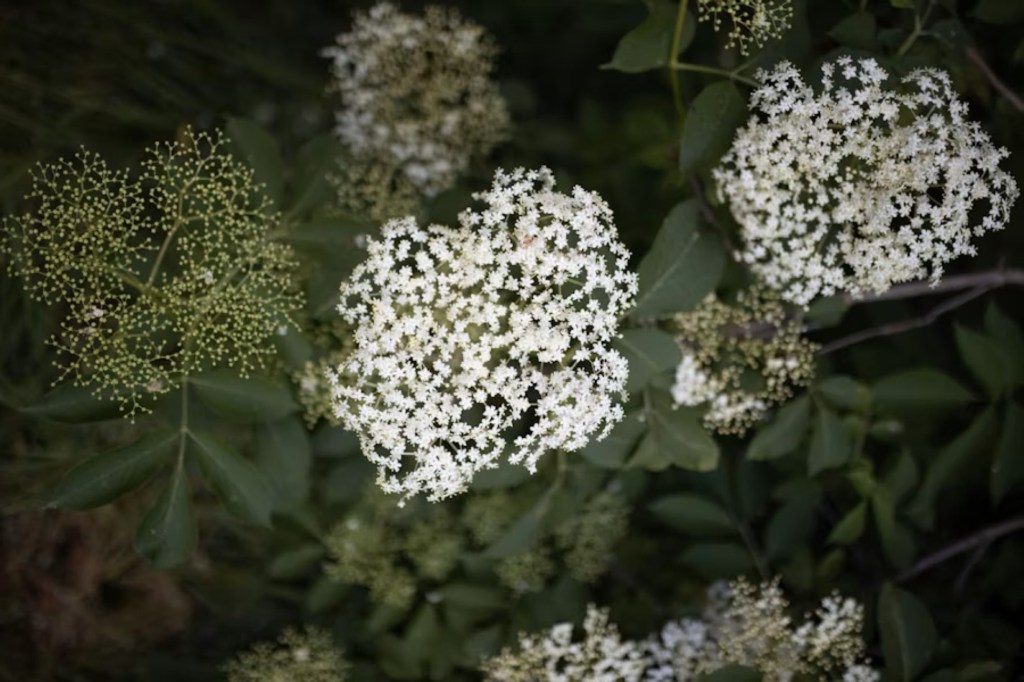
(Sambucus nigra)
📜 History & Tradition
Elder (Sambucus nigra) has a long, story-filled past. In European folk tradition, the elder tree was a household ally. Its flowers and berries were a staple for cordials, syrups, and winter remedies. Generations turned to elder for comfort during the cold months, valuing it as a reliable companion during long winter evenings.
🧪 Modern Uses & Benefits
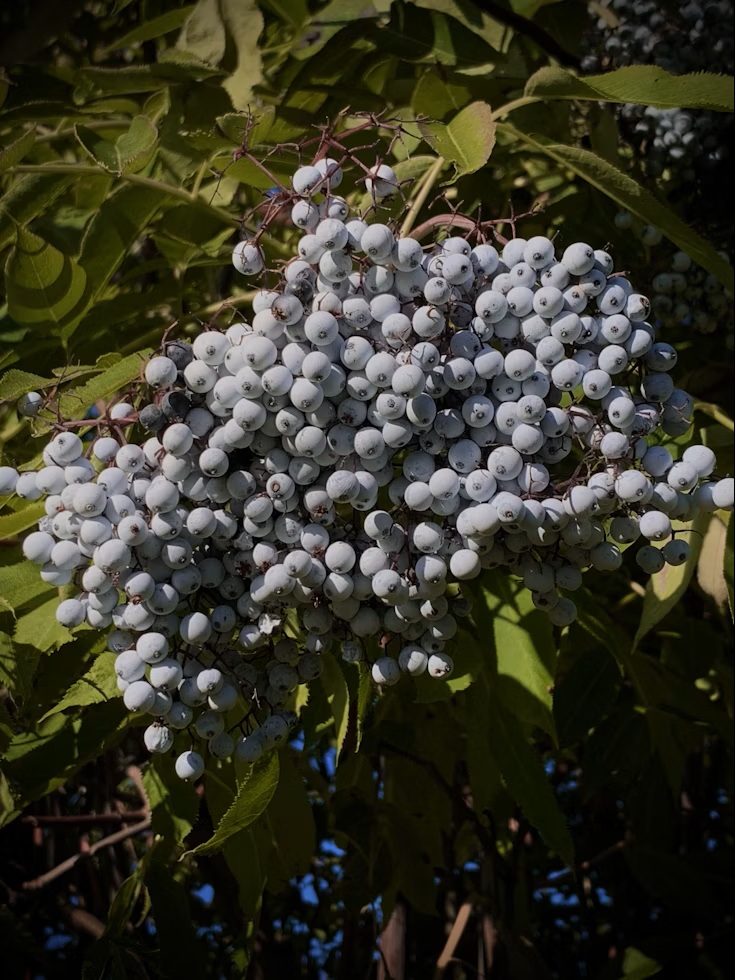
Today, elderberry, also known as black elderberry, is best known for seasonal immune support.
Boosts Immune Function: Elderberries are rich in antioxidants, especially flavonoids like anthocyanins, which strengthen the immune system and help your body fight infections.
Reduces Cold & Flu Symptoms: Elderberry has antiviral properties that may inhibit the replication of certain viruses, potentially shortening the length of colds and the flu.
Anti-inflammatory Properties: The antioxidants in elderberries also have anti-inflammatory effects, which can be helpful for conditions like sinus infections or seasonal allergies.
💧 How I Work with Elderberry
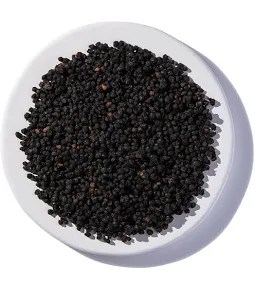
I work with fully ripe, dried black elderberries (Sambucus nigra). When I open a new bag, there’s a deep, jammy aroma that carries through the tincturing process. Extracting in small batches keeps its flavor and aroma strong, and I make sure to always have some on hand. For me, elderberry is about consistency: a spoonful of syrup with breakfast or a few drops of tincture in water are simple uses that add up over time.
🍯 Cozy Ways to Use Elderberry
- Simple Syrup: Simmer dried elderberries with water; strain; add a sweetener of your choice (many use honey after it cools). Keep refrigerated.
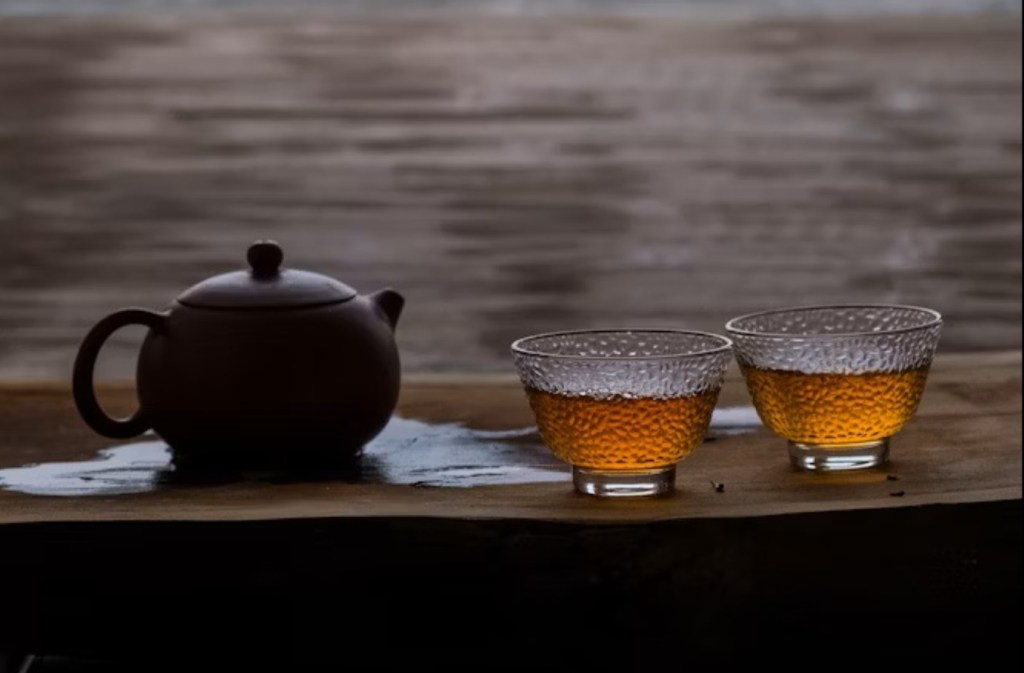
- Tea: Simmer a spoonful of berries 10–15 minutes, then strain. Lovely with a slice of lemon.
- Tincture: A few drops in a spoon of water is an easy “on-the-go” option.
- Pairings: Elderberry loves ginger (for warmth) and cinnamon (for cozy spice).
Key kitchen tip: Always use cooked berries (or prepared products). Raw berries and other raw parts of the plant can cause tummy upset. Also, note that red elder (Sambucus racemosa) isn’t used the same way. Make sure you’re preparing Sambucus nigra.
⚖️ Tradition Meets Today
I see elderberry as a great example of how folk wisdom and modern practicality meet: time-tested use, easy to prepare, and simple to add to a daily routine. It doesn’t demand a lot, just small, steady use that says, “I’m taking care of myself.”
🌙 A Trusted Ally
Elderberry has earned a permanent spot on my shelf because it’s dependable and down-to-earth. When the seasons turn, I like knowing there’s a jar waiting, something I can share as a small act of care.
Precautions:
- Use cooked berries or prepared products; avoid raw berries/leaves/stems.
- If you have a specific medical condition, are pregnant/nursing, or take medications, check with a trusted provider.

