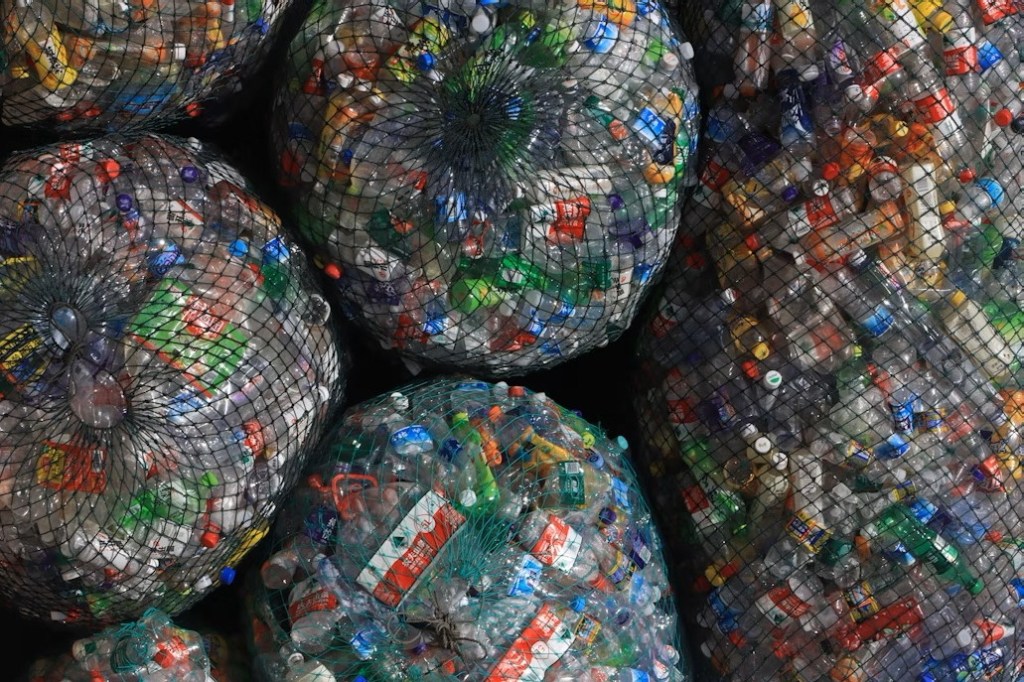
You can’t see them, but microplastics are everywhere. They float in our water, cling to our food, and even flake from the tools we use in the kitchen. While researchers are still studying what these tiny particles mean for our long-term health, we already know one thing for certain: they’re hard to avoid completely.
But here’s the good news. With a few simple swaps, you can cut back your daily exposure in meaningful ways. You don’t have to overhaul your whole kitchen overnight. Start with the small steps that give you the biggest return.
🍲 Choose Fresh, Simple Foods
The more steps food goes through in a factory, the more opportunities it has to pick up plastic along the way. Plastic holding bins, cleaning equipment, and trays add to the problem. Most packaging contains some form of plastic, too. For instance, cans have a thin layer of plastic sprayed on the inside to keep metal contaminants out of the food. This leaches into the food inside.
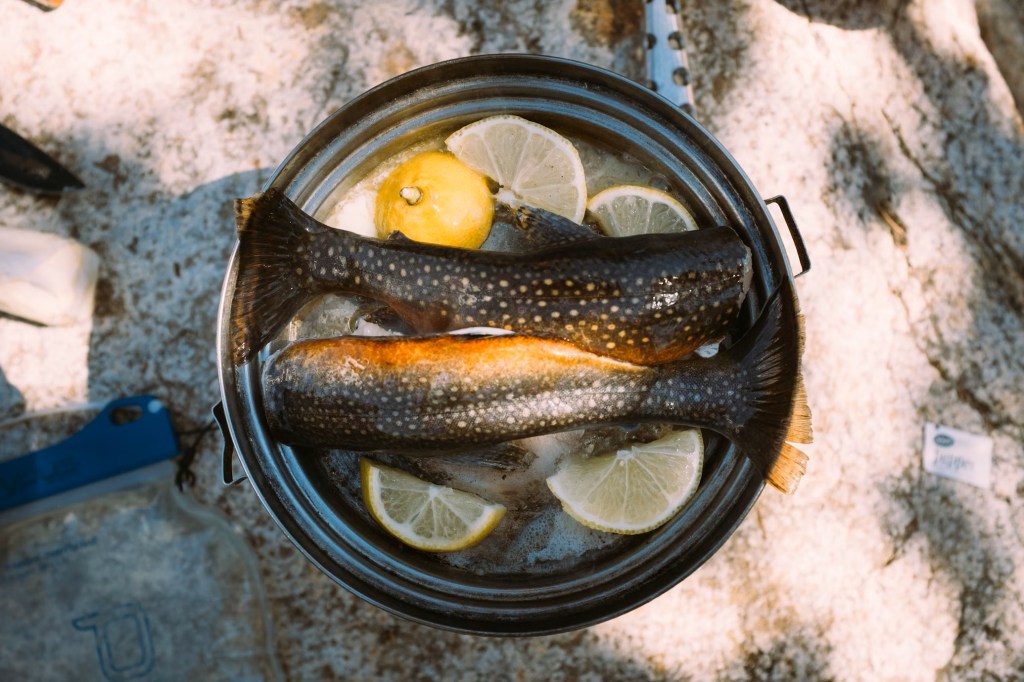
Fresh produce, whole grains, and home-cooked meals aren’t just better for you; they’ve had fewer chances to be touched by plastics. Simply rinsing rice, produce, and meat or fish can reduce the amount of microplastics that end up on your plate.
💧 Rethink Your Water
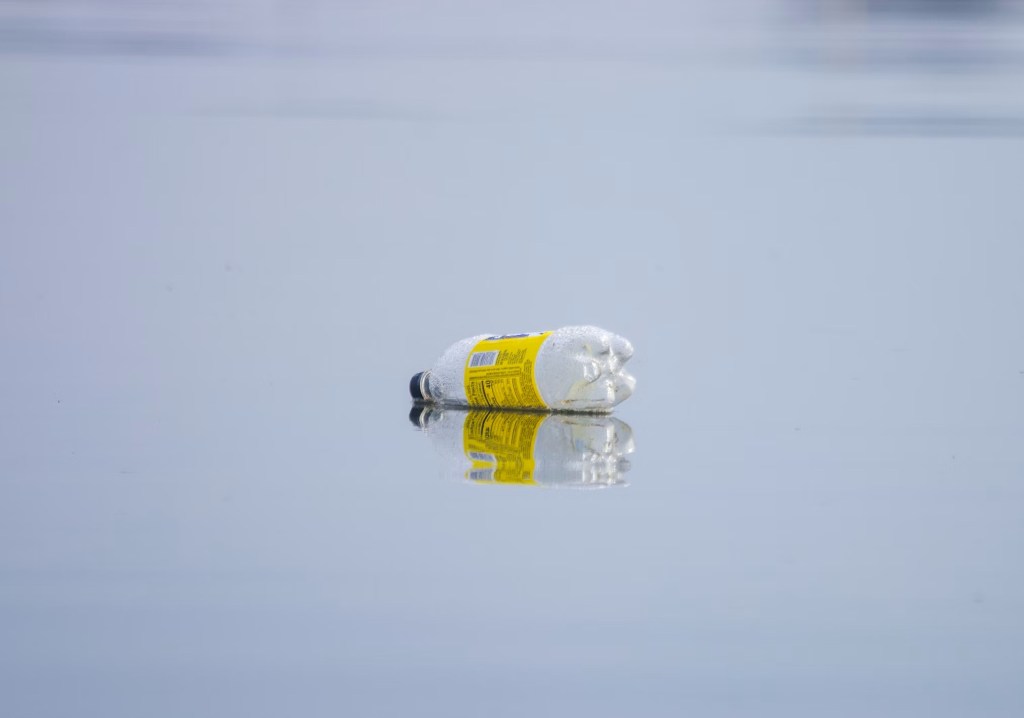
Bottled water often contains more microplastics than tap water, especially from the bottle cap. If your tap water is safe, switch to it and add a simple carbon filter. It can remove up to 90% of microplastics. For carrying water, choose stainless steel or glass bottles instead of plastic.
🍳 Upgrade a Few Kitchen Basics

You don’t have to throw away everything plastic, but when an item shows scratches, grooves, or flaking, it’s time to replace it. A few easy swaps:
- Use a wooden cutting board instead of a plastic one.
- Switch to stainless steel or cast iron pans instead of scratched non-stick cookware.
- Grab a wooden spoon or bamboo spatula instead of plastic utensils.
These small changes remove some of the most direct sources of plastic particles in our meals.
🧽 Rethink the Sponge
Those brightly colored sponges at the grocery store shed millions of microplastics as they wear down. Try a natural fiber sponge (like loofah) or washable cotton cloth instead. They last longer and keep plastic out of your sink — and your food.
🌿 Start Where It’s Easy
It’s tempting to see plastic everywhere and feel overwhelmed. But remember: every small shift adds up. Swap one item at a time, and soon your kitchen will look and feel different; lighter, cleaner, more aligned with the way you want to live.
We may not be able to live plastic-free, but we can eat less of it. And in the process, we reconnect with food that feels truer to its source – and to ourselves.