Why Tinctures Matter
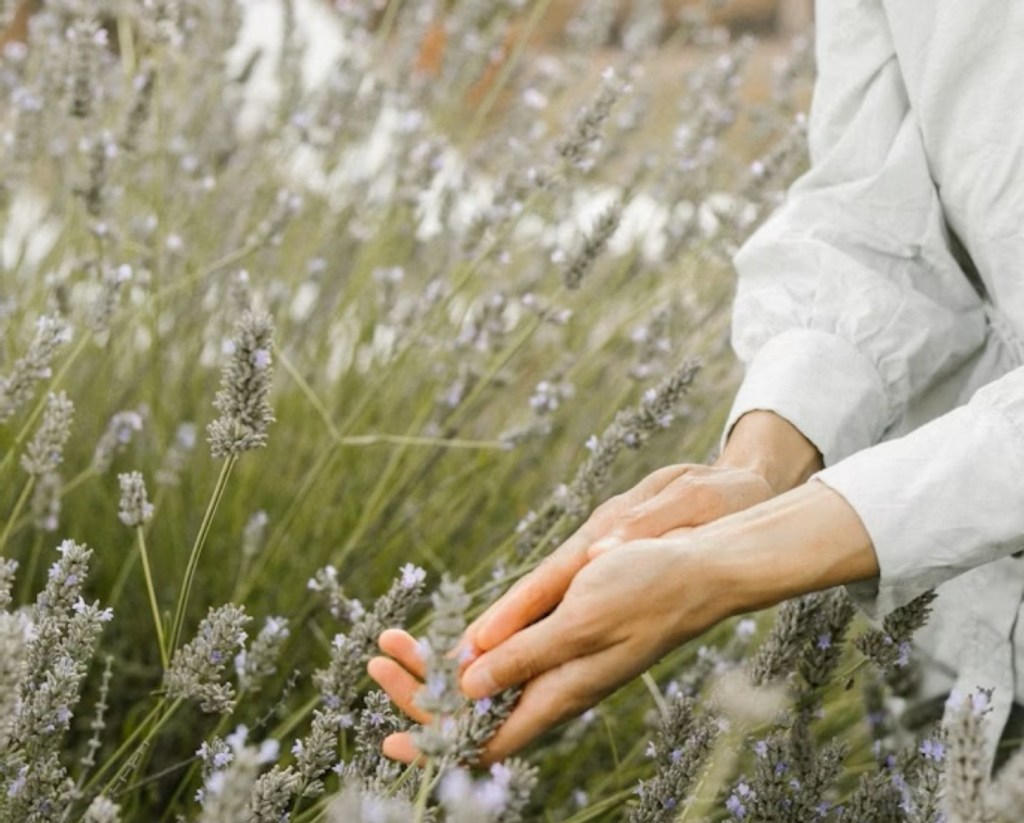
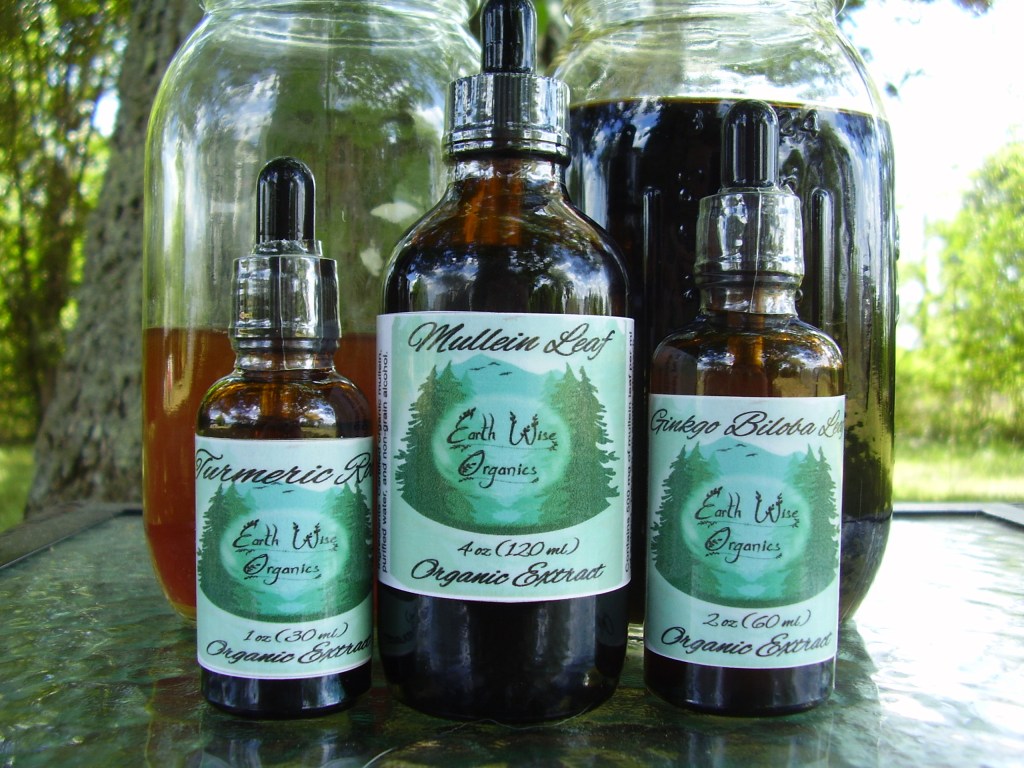
Herbs are amazing. They have their own seasons, rhythms, and cycles. Once harvested, flowers fade, leaves dry, energies shift. But tincturing allows us to carry a plant’s benefits forward long after its season has passed. It’s one of the most familiar herbal preparations, but it can be the most misunderstood. At their heart tinctures are about preserving the best of plants in a form that’s both practical and long lasting.
💧What Is a Tincture?
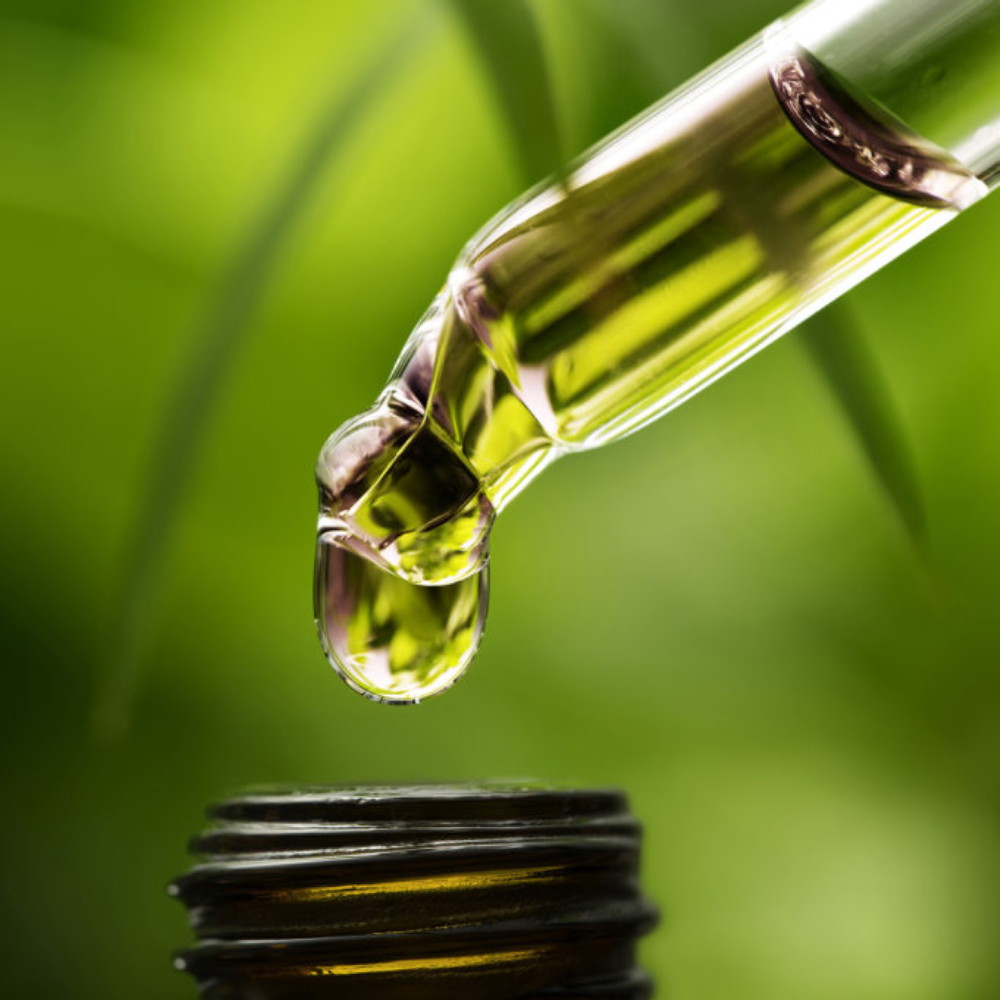
A tincture is a concentrated herbal extract, usually made by soaking plant material in a mixture of water and alcohol. The alcohol acts as both a solvent, drawing out the plant’s active constituents, and a preservative, keeping them stable for years. Some tinctures are made with glycerin or vinegar instead, but alcohol has always been the classic choice. There are some constituents that resist other solvents, but alcohol extracts the most. Because they’re strong, compact, and long-lasting, tinctures are one of the best options for herbal supplements.
🌿Capturing the Life of a Plant
Every herb has a window of time when it’s at its best. Once that moment passes, it’s gone for another season. Tincturing allows us to hold onto a plant’s properties, to keep it’s energies and benefits available and ready to use. I see it in a way as honoring the plant, respecting its life cycle, and keeping the knowledge of it through the years and seasons.
🔬Tradition Meets Science
Herbalists and traditional healers have been making tinctures for centuries, long before the pharmaceutical industry existed. In fact, many modern medicines began with plants; aspirin from willow bark, for example. The difference is that pharmaceuticals often isolate one compound and amplify it, while tinctures keep the plant whole.
This preserves the natural synergy of its many parts working together. Tradition and science aren’t at odds here; herbalism and modern medicine are related by a long history of plant knowledge. They can work on their own or together in a combined approach. Either way, both contribute to responsible healthcare.
⚕️How Tinctures Are Made (A Peek Behind the Scenes)
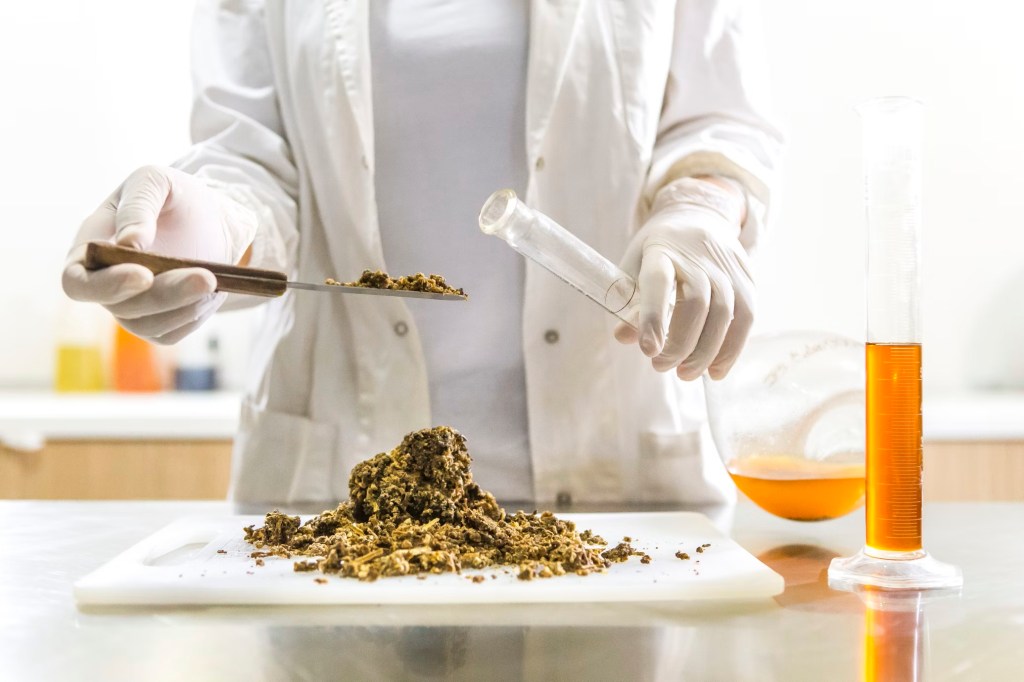
Making a tincture is a simple process, but it requires care and patience. The herb is first moistened to soften and relax it, then soaked in a mixture of water and alcohol at the right ratio. Over days or weeks, the liquid slowly pulls out the plant’s properties. During that time, the herbalist watches, smells, and tastes. Close attention must be paid to the small signs that extraction is going well. Finally, the liquid is strained, leaving behind a finished tincture: concentrated, stable, and ready to use.
💧Why I Work With Tinctures
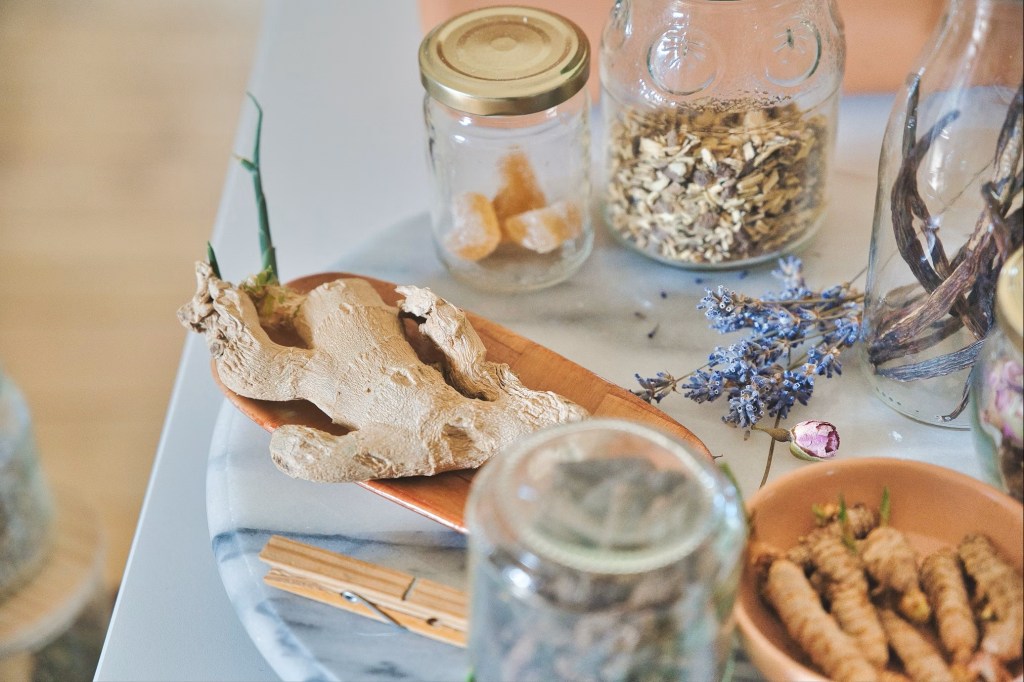
For me, tinctures are more than bottles on a shelf. They’re a connection to the natural world, a way to carry nature’s energies into my day. They offer steadiness; a way to support the body and spirit when I need it. Tincturing is both craft and care, and every time I prepare one I feel that relationship with nature, ongoing and nourishing.
🌱A Bridge Between Plant and Person
Tinctures are more than just a method of preservation. They’re a bridge between nature and the people who need its support. By carrying a plant’s gifts beyond its physical life, tinctures connect tradition with science, craft with care, and past with present. Every drop is a reminder that nature continues to walk with us, season after season.