
👉Why It Matters
I’ve been creating and sharing herbal remedies online since 2013, and in 2019 I enrolled in the Herbal Academy’s course to keep my knowledge fresh and growing. Before that, I spent hours digging through library shelves and industry publications. Over the years, I’ve learned there’s no shortage of information about herbs, some of it solid, some of it… not so much.
These days, most people turn to the internet first. And while it can be a great place to learn, it also mixes reliable insights with plenty of misleading claims. The challenge is knowing which is which. The good news? With just a few simple practices, searching online can become a trustworthy way to find herbal wisdom and feel more confident about the information you bring into your life.
🔍Look for Sources, Not Just Claims
The first thing I check when doing online herbal research is whether the site is primarily selling herbs or supplements. Many sales-based websites include background details like traditional histories, botanical notes, or lists of modern uses. That’s fine. Mine does, too. But it’s important to treat those claims with caution and verify them through non-commercial sources. For example, when I share an herbal profile of mullein, I also sell mullein in my Etsy shop. To keep my information reliable, I cross-check with independent, non-selling sites to make sure the details line up.
Another red flag to watch for is exaggerated or vague claims. If you see words like “miracle cure” or a promise that one herb can fix everything, that’s a sign to step back. And if the claim only appears on a single sales site, it’s better to treat it as hearsay than fact.

My go-to sources are the ones that consistently rely on credible, research-backed information often found on .edu or .gov sites. Here are a few of my favorites:
- Memorial Sloan Kettering Cancer Center > About Herbs, Botanicals & Other Products
- National Center for Complementary and Integrative Health > Herbs at a Glance
- Mayo Clinic > Drugs and Supplements
⚖️Balance Tradition and Science
One of the things I love most about herbalism is how it connects the old with the new. For thousands of years, people have relied on plants for support, passing down recipes, rituals, and wisdom through generations. That tradition still carries valuable lessons. At the same time, modern science helps us understand why herbs work, what safe dosages look like, and where caution may be needed.
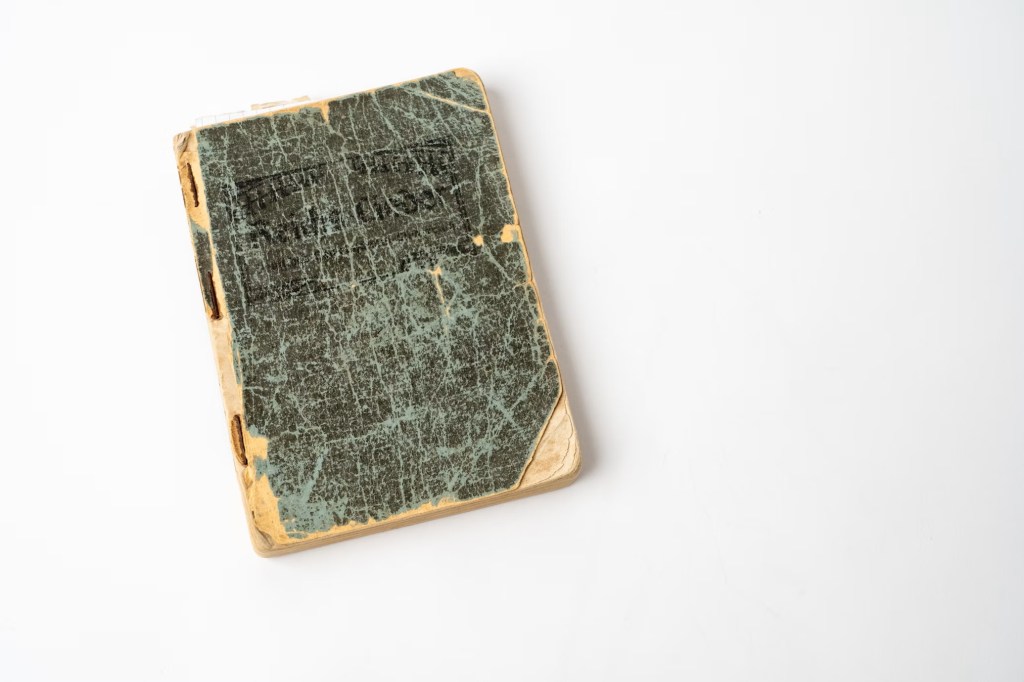
Neither tradition nor science tells the whole story on its own. Tradition highlights patterns that have stood the test of time, while science offers deeper clarity through research. When we bring the two together, we get the best of both worlds: the heart and history of the plant, alongside the evidence that guides safe, effective use today.
🚫Watch Out for “One-Size-Fits-All” Remedies
It’s tempting to believe bold claims that one herb can “fix everything.” The truth is, health is personal. Each of us has our own body, constitution, and lifestyle. An herb that works beautifully for one person might not make much difference for another.
That doesn’t mean the herb has no value. It simply means our bodies respond differently. The most helpful way to approach remedies is with curiosity and gentleness. Notice how you feel when trying an herb instead of expecting the same outcome someone else had. Plants are wonderful allies, but they’re not quick fixes. They work best when we build a relationship with them rather than look for a one-size-fits-all solution.
📝Practical Tips for Readers
If you’re not sure where to begin, start simple. A few trusted resources can take you a long way. Books written by practicing herbalists, organizations like the American Herbalists Guild, or scientific databases like PubMed are all solid places to look.
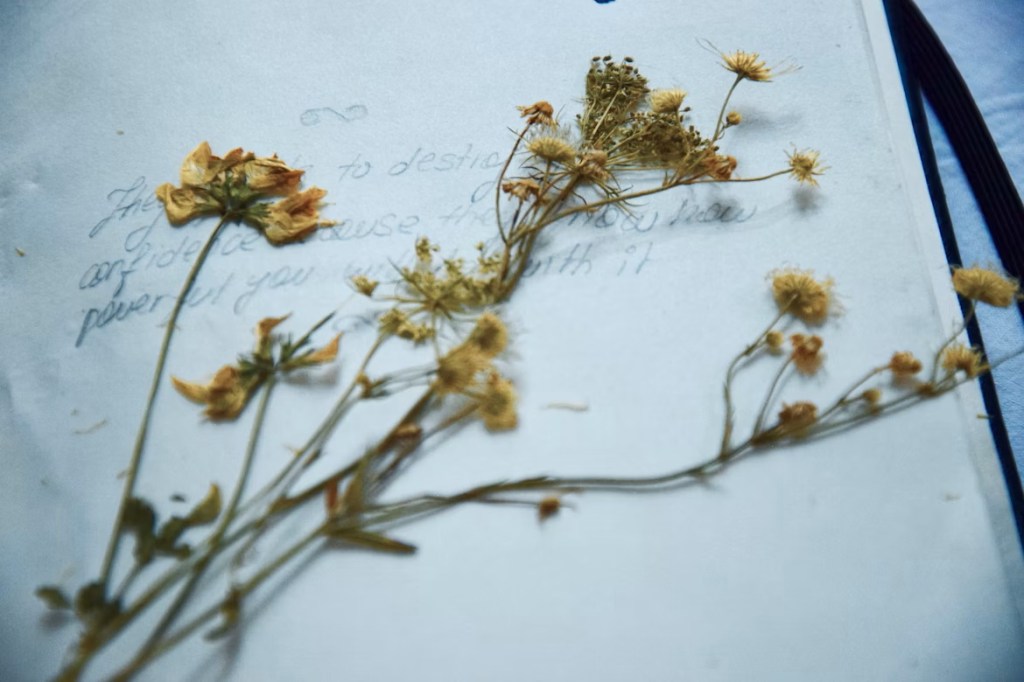
It also helps to keep a personal herb journal. Jot down what you try, how much, and how it makes you feel over time. Little by little, you’ll build your own record of lived experience to sit alongside the research you read.
And remember, you don’t have to figure it all out alone. If you’re exploring herbs for specific health concerns, professional herbalists or naturopaths can be helpful guides. The more you practice asking questions and double-checking sources, the more confident you’ll feel choosing what’s right for you.
🌟Empowerment, Not Perfection
Researching herbal remedies doesn’t have to be complicated. It’s not about memorizing studies or becoming an expert overnight. It’s about building confidence, step by step. When you balance tradition with science, question bold claims, and pay attention to your own experience, you create a path that feels both safe and personal.
The goal isn’t to find the “perfect” herb or the one right answer. It’s to support yourself with care, curiosity, and trust. Every time you pause to check a source or notice how an herb makes you feel, you’re practicing empowerment. And that, more than any fad or quick fix, is what makes herbal practice meaningful.